About Gervaise
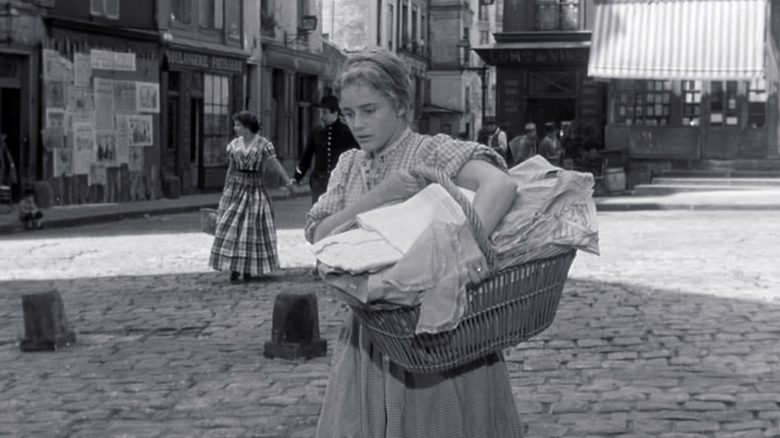
An adaptation of Émile Zola’s 1877 masterpiece L’assommoir, the film is an uncompromising depiction of a lowly laundress’s struggles to deal with an alcoholic husband while running her own business.
Cinematic history often finds its most compelling narratives not in the sprawling epics of royalty but in the gritty, unvarnished realities of the working class. When examining the 1956 production Gervaise, one is immediately struck by its refusal to romanticize the hardships of nineteenth-century Paris. While modern audiences in the Indian subcontinent might be accustomed to the high-octane emotional crescendos of contemporary regional dramas, this film offers a masterclass in patient, atmospheric storytelling. It serves as a stark reminder that the struggle for dignity against the crushing weight of societal expectation is a universal theme that transcends both geography and era. By focusing on the daily labor of a woman attempting to carve out a life for herself, the film establishes a grounded perspective that feels remarkably modern despite its vintage origins.
The narrative trajectory centers on the titular protagonist, a woman whose ambition to achieve financial independence is perpetually sabotaged by the volatile instability of her spouse. This dynamic echoes the complex family-centered conflicts often explored in the best of Malayalam or Marathi social realist cinema, where the domestic sphere becomes the primary battlefield for character growth and tragedy. The film avoids melodrama in favor of a clinical, almost documentarian observation of a life slowly unraveling. For viewers who appreciate the nuanced character studies found in the works of directors who prioritize human vulnerability over spectacle, this feature provides a profound look at how environment and personal vice intersect to dictate one's fate. It is not merely a period piece; it is a meticulous study of endurance.
Given the current global trend of revisiting classic literature through a lens of gender-focused social critique, Gervaise remains a highly relevant viewing experience. The film is perfectly suited for cinephiles who seek to understand the evolution of the tragic drama, as it captures the specific texture of Zola’s literary vision with remarkable fidelity. The production quality, characterized by its immersive set design and lived-in performances, creates an atmosphere of authenticity that many contemporary dramas struggle to replicate. Whether one is a scholar of French New Wave precursors or simply a fan of intense, character-driven storytelling, this film stands as a significant milestone. It invites the audience to witness a struggle that is as poignant today as it was at the time of its release, making it a must-watch for anyone interested in the enduring power of classic European drama.
Cast(12)