Glass Skin(2025)
About Glass Skin
The intimate journey of a man consumed by desire.
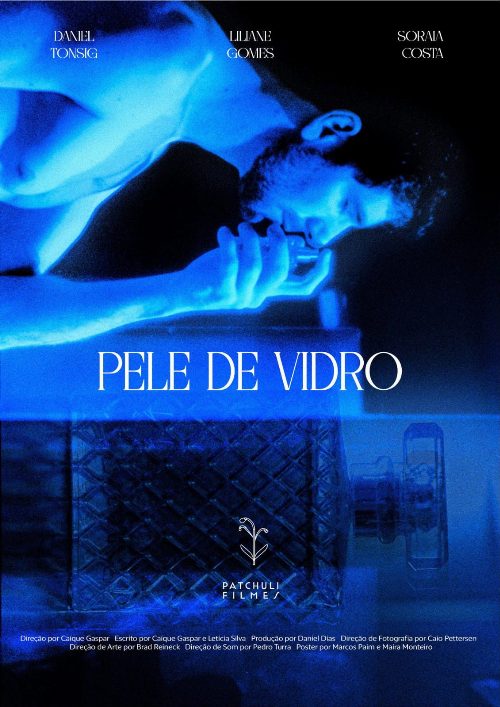
In the landscape of 2025 international cinema, Glass Skin emerges as a haunting exploration of human obsession that transcends linguistic borders, offering a sensory experience rarely captured in contemporary Portuguese drama. While global audiences often associate regional storytelling with conventional genre thrills, this film pivots toward the surreal, grounding a deeply psychological narrative in the delicate textures of physical vulnerability. Director Daniel Tonsig, who also steps into the lead role, crafts a visual language that feels both claustrophobic and expansive, suggesting that the most terrifying mirrors are the ones we hold up to our own unfulfilled cravings. By weaving elements of fantasy into the mundane fabric of a man’s daily life, the production challenges the viewer to distinguish between genuine transformation and the crumbling psyche of its protagonist.
This project arrives at a moment when audiences are increasingly hungry for high-concept, character-driven narratives that eschew the noise of traditional blockbusters. Soraia Costa and Liliane Gomes provide a vital counterbalance to the central tension, grounding the film’s more ethereal sequences with performances that feel raw and lived-in. For fans of slow-burn psychological dramas, the film acts as a meditative piece on the fragility of identity and the dangerous allure of perfection. It sits comfortably alongside modern European arthouse cinema that prioritizes atmosphere over exposition, making it a compelling choice for those who appreciate films that demand active participation and post-viewing reflection. The cinematography captures the ephemeral nature of the characters' connections, suggesting that the director is interested in how we perceive the boundaries between ourselves and the world around us.
For those who track international trends, Glass Skin serves as a reminder of the rising influence of Portuguese-language storytelling on the global stage. It avoids the trap of being merely a mood piece, instead anchoring its stylistic choices in a premise that feels urgent and unsettling. The collaboration between Caíque Gaspar and the rest of the ensemble suggests a tight-knit production that thrives on nuance, ensuring that every frame contributes to the overarching sense of unease. Viewers looking for a departure from standard narrative structures will likely find themselves captivated by the film’s refusal to provide easy answers. It is positioned as a sophisticated addition to the festival circuit, appealing to cinephiles who value aesthetic precision and a willingness to explore the darker, more abstract corners of the human condition.