About Good Father
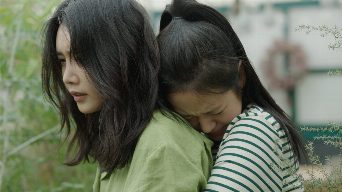
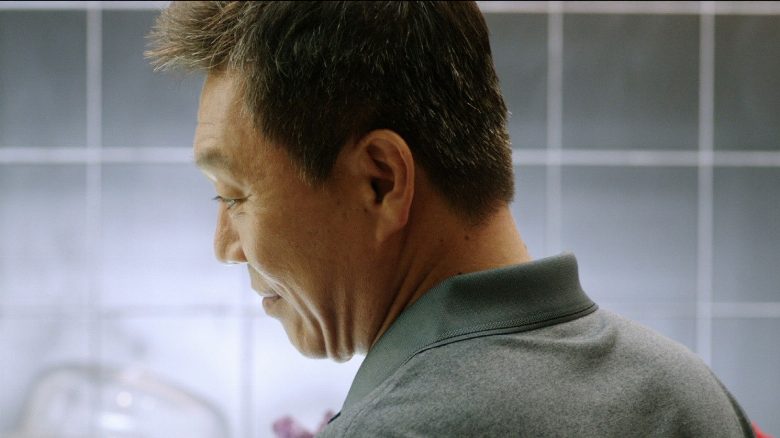
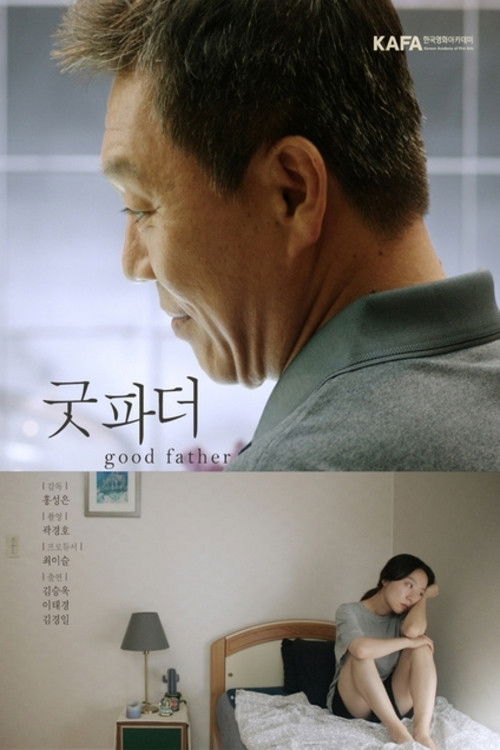
In order to celebrate his daughter Dajeong’s new employment, Dad wants to organize a family party, but Dajeong seems unhappy. Also, the son, Dahun, gives Dad the cold shoulder. As Dad busily prepares for the party all day, he is eventually faced with facts about his children that he didn’t want to be confronted with.
The quiet disintegration of the domestic unit often serves as the most potent foundation for South Korean social realism, a genre that consistently mirrors the shifting tides of family dynamics found in contemporary Indian cinema as well. In the 2018 drama Good Father, the narrative centers on a patriarch whose attempts to curate a celebratory moment for his daughter’s professional milestone spiral into an exploration of emotional disconnection. While the premise may initially appear to be a standard domestic portrait, the film distinguishes itself by focusing on the invisible walls that grow between parents and children even when they share the same physical roof. Much like the nuanced family dramas emerging from the Malayalam industry, this film prioritizes internal psychological conflict over melodrama, forcing the protagonist to reconcile his idealized vision of fatherhood with the stark reality of his children’s resentment and alienation.
The film serves as a somber meditation on the sacrifice and miscommunication inherent in traditional parenting. Lee Tae-kyung and the supporting ensemble navigate these complex interpersonal tensions with a restraint that will resonate deeply with viewers who appreciate character-driven storytelling. For audiences accustomed to the high-stakes emotional beats of Telugu or Hindi family dramas, this picture offers a more understated experience, trading grand confrontations for the crushing weight of unspoken grievances. The film is positioned as a mirror for any viewer who has grappled with the realization that their closest kin remain essentially strangers, making it a compelling watch for those who prefer cerebral, grounded cinema that avoids easy resolutions.
Directorially, the work excels by keeping the focus tight on the father figure’s perspective as he navigates a day intended for joy but marked by inevitable confrontation. By stripping away external plot distractions, the screenplay forces us to observe the small, painful details of family life—the cold shoulders, the forced smiles, and the persistent desire to bridge gaps that may have widened beyond repair. It is a testament to the universal nature of filial struggle, suggesting that the pursuit of a perfect family image often masks the very fractures that need the most attention. For film enthusiasts who admire the meticulous pacing and emotional honesty of international festival cinema, this feature provides a haunting look at the fragility of the father-child bond, proving that sometimes the hardest conversations are the ones we avoid until it is far too late.