Guys in the Cafe(1989)
About Guys in the Cafe
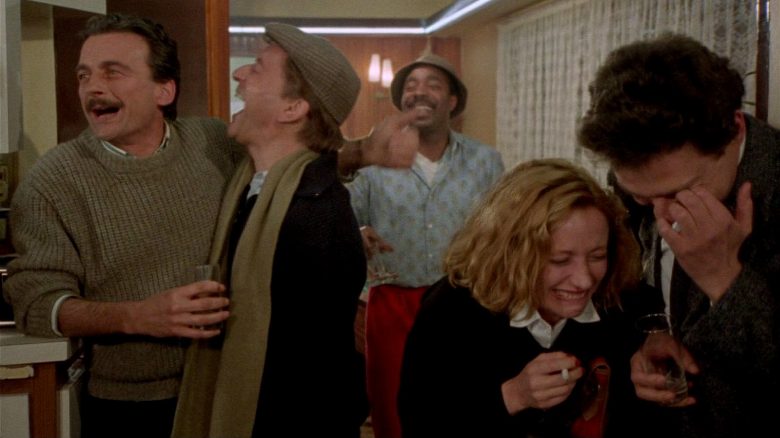
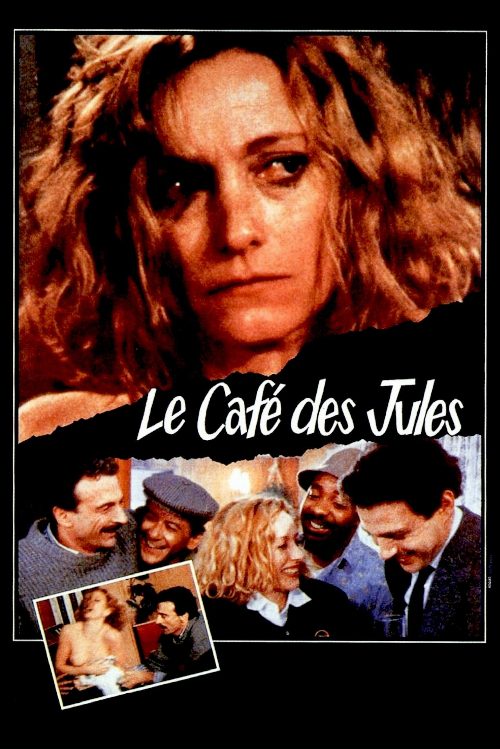
A night of drinking in a local cafe quickly turns to tragedy for two of its patrons.
Stepping back into the late eighties, Guys in the Cafe offers a quintessentially French cinematic experience that balances the casual atmosphere of a neighborhood haunt with the sudden, sharp intrusion of existential weight. While modern global audiences are currently obsessed with the high-octane spectacles emerging from the Telugu or Hindi film industries, there remains an enduring charm in these stripped-back European character studies. The film thrives on the intimacy of its setting, using the confined space of a local bistro to examine the fragile bonds between strangers and friends. Rather than relying on the grand scale or sprawling narratives common in today's pan-Indian blockbusters, this production opts for a focused, stage-like intensity that forces the audience to confront the unpredictable nature of human connection.
The narrative trajectory is defined by a sharp transition from the mundane chatter of a quiet evening to a life-altering crisis. It is a masterful exercise in tension building, reminding viewers of how quickly the social fabric can unravel when alcohol and long-simmering grievances collide. For those who appreciate the grounded, gritty realism often found in contemporary Malayalam cinema, this film serves as an early template for how to extract profound drama from humble, everyday environments. The performances by Brigitte Rouan and Lionel Goldstein are particularly notable for their ability to ground the script in raw, believable human emotion, ensuring that the shift from lighthearted banter to profound tragedy feels earned rather than manipulative.
This piece of eighties French cinema is an ideal selection for cinephiles who prioritize atmosphere and psychological depth over traditional action-oriented storytelling. It functions as a time capsule, capturing a distinct period of European filmmaking that favored dialogue and mood over visual effects. By stripping away the spectacle, the director allows the ensemble cast to anchor the story, creating an experience that is as unsettling as it is compelling. It serves as a stark reminder that the most impactful stories are often those that take place in the quietest corners of our lives, where the simple act of sharing a drink can lead to consequences that no one at the table could have possibly foreseen. Anyone looking to explore the roots of character-driven drama will find this work to be a fascinating study in pacing and tonal shifts, standing as a testament to the power of a well-executed, claustrophobic premise.