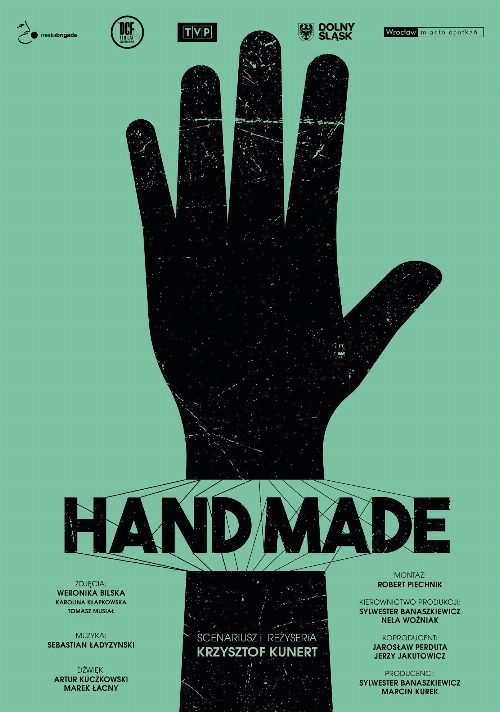
About Hand Made
In an era dominated by mass production and the ephemeral nature of digital consumption, Krzysztof Kunert offers a meditative reprieve with his 2020 documentary Hand Made. This film serves as an intimate exploration of the human impulse to create, stripping away the polish of modern industry to reveal the raw, tactile connection between an artisan and their craft. By focusing on the rhythmic labor and the silent focus required to build something from scratch, Kunert elevates the mundane act of manual work into a profound visual essay on patience and identity. For audiences accustomed to the high-octane pacing of contemporary cinema, this project functions as a sensory reset, demanding an engagement with the subtle textures of reality that are often overlooked in the rush of daily life.
The documentary finds its strength in the deliberate pacing and observational style that has become a hallmark of European non-fiction filmmaking. Unlike the narratives that drive much of the mainstream Indian cinema landscape, where grand spectacles and emotional crescendos often dictate the rhythm, Hand Made thrives on stillness. It captures the intersection of tradition and individual legacy, posing quiet questions about the value we place on items that carry the weight of a creator’s touch. Viewers who gravitate toward the slow cinema movement or those who appreciate the aesthetic rigor found in the works of directors who prioritize atmosphere over plot will find this film particularly resonant. It invites a specific kind of audience—one that is patient, reflective, and interested in the philosophy of making rather than just the utility of the final product.
While the film originates from a distinct cultural environment, its themes possess a universal language that transcends geographical borders. Much like the regional documentarians in the Indian independent circuit who strive to preserve fading crafts and local histories, Kunert documents a dying art form with a respectful, almost reverent distance. This is not merely a technical showcase of craftsmanship; it is a character study that examines the soul of the maker through the lens of their labor. For those interested in the sociology of art or the psychological rewards of vocational mastery, this work serves as an essential viewing experience. It reminds us that even in a world obsessed with technological advancement, the human hand remains the most sophisticated tool we possess, capable of imbuing objects with a history and purpose that machines simply cannot replicate.