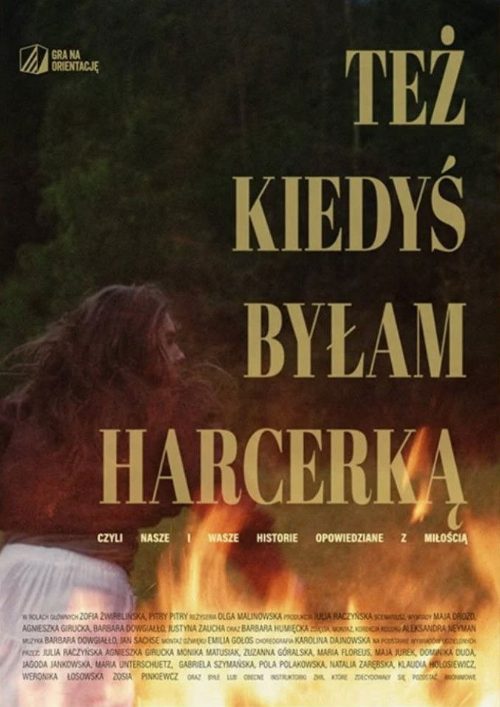
About Też kiedyś byłam harcerką
Stepping away from the polished veneer of traditional biographical filmmaking, Olga Malinowska presents a raw and introspective look at the complexities of memory and personal identity in her latest documentary, Też kiedyś byłam harcerką. The film centers on Zofia Zwirelinska, using her experiences as a lens to explore the lingering influence of youth organizations on the Polish psyche. While global cinema audiences often associate documentaries with sweeping political movements or grand historical shifts, this project opts for a more intimate scale. It captures a specific, nostalgic resonance that feels surprisingly universal, mirroring the way regional Indian dramas often prioritize the emotional weight of childhood lessons over the high-octane spectacle of mainstream blockbusters. Malinowska demonstrates a keen eye for the quiet domestic moments that define a life, moving beyond simple nostalgia to interrogate how past affiliations continue to shape an individual decades later.
This film arrives at a time when audiences are increasingly seeking authentic, character-driven narratives that eschew artificial dramaturgy. For viewers who appreciate the slow-burn storytelling found in contemporary Malayalam or independent Hindi cinema, where the focus remains steadfastly on the interior lives of protagonists, Też kiedyś byłam harcerką offers a compelling parallel. It is a meditative piece that demands patience, rewarding those who enjoy examining the intersection of personal growth and societal expectations. By anchoring the narrative in Zwirelinska’s own voice, the director avoids the trap of didactic storytelling, instead inviting the audience to draw their own conclusions about the transient nature of belonging and the enduring pull of one's formative years.
Malinowska has positioned herself as a filmmaker interested in the fractures within human experience, and this documentary serves as a testament to her commitment to understated storytelling. It is an essential watch for enthusiasts of European non-fiction who value the art of the interview and the power of archival reflection. While the subject matter is deeply rooted in the specific cultural landscape of Poland, the themes of identity and the inevitable drift between our younger selves and our present reality will likely resonate with anyone who has grappled with the ghost of who they once were. Those looking for a cinematic experience that feels like a whispered conversation rather than a loud declaration will find this film to be a profound addition to the current documentary landscape.