About How to Feed a Dictator
Five private chefs to fearsome dictators all over the world share their experiences of the kitchens and circumstances that led them to these sometimes dangerous and often morally compromising workplaces.
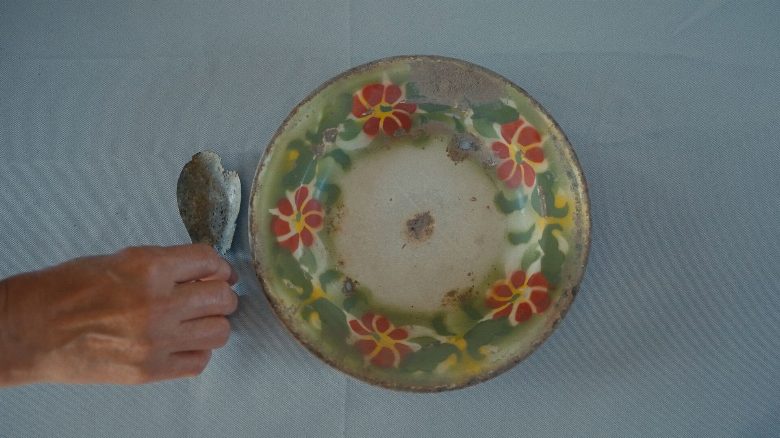
The culinary world is often romanticized through the lens of high-end gastronomy and celebrity chefs, but Andrew Neel pulls back the curtain on a much darker side of the profession in his latest documentary, How to Feed a Dictator. Instead of focusing on the glamour of Michelin stars, the film examines the precarious lives of individuals tasked with preparing meals for some of history’s most notorious autocrats. By centering the narrative on the intimate, high-stakes environment of a tyrant’s kitchen, Neel transforms the act of cooking into a tense exploration of survival, complicity, and the strange proximity between personal service and absolute power. It is a chilling premise that strips away the grandeur of political figures to reveal the mundane, daily realities of their domestic staff.
For audiences accustomed to the high-octane drama of global cinema, this documentary offers a different kind of intensity. While Indian film industries like the Telugu or Malayalam sectors have increasingly embraced political thrillers that interrogate authority, this English-language feature operates as a global investigation rather than a dramatized story. It will likely resonate with viewers who enjoy investigative journalism that balances psychological depth with historical curiosity. The film does not merely recount biographical details of the leaders in question; rather, it prioritizes the sensory and emotional experiences of the chefs who lived in their shadows. The result is a study of how one maintains a sense of normalcy when the person sitting at the head of the table dictates the fates of millions.
Andrew Neel proves himself a master of atmospheric storytelling here, guiding these interviewees through narratives that are as morally complex as they are historically significant. By documenting these personal accounts, the film asks difficult questions about where the line is drawn between a professional duty to serve and the ethical burden of being an enabler. It functions as a unique contribution to the documentary landscape, serving as a cautionary tale about the banality of evil and the hidden hands that sustain power. Those interested in the intersection of human behavior and political history will find this a deeply compelling watch, as it highlights the unsettling reality that even the most feared figures require someone to chop the vegetables and season the soup. It is an essential watch for anyone who believes that the most revealing truths about power are often found in the kitchen rather than the boardroom.