About Il caso Fenaroli
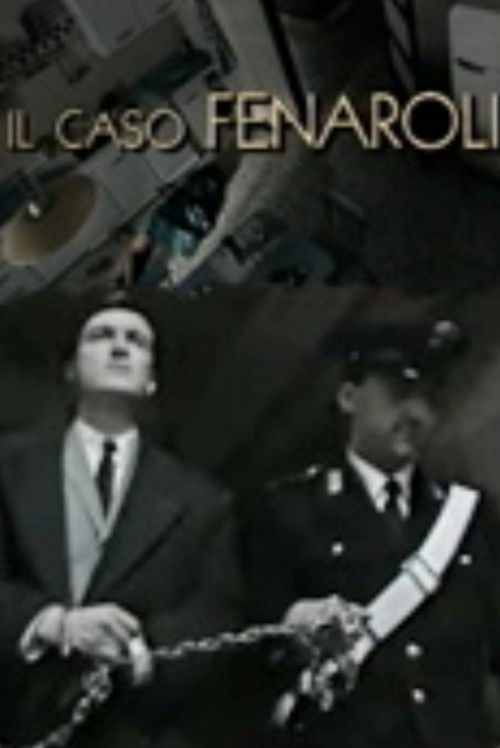
Based on the true crime known as Mystery of Via Monaci or The Fenaroli case.
True crime dramas often serve as mirrors for the anxieties of their era, and the 1996 television film Il caso Fenaroli remains a haunting testament to how Italian society grappled with the intersection of media sensationalism and judicial uncertainty. By dramatizing the infamous mystery surrounding the death of Maria Martirano, the production avoids the trap of simple docudrama, instead positioning itself as a psychological excavation of a scandal that gripped a nation decades prior. While Indian cinema audiences are currently seeing a surge in investigative thrillers and gritty biopics that dissect real-life headlines, this Italian production offers a distinct look at a mid-century crime through the aesthetic lens of the nineties. It captures a rigid societal atmosphere where public opinion and courtroom facts rarely aligned, providing a stark contrast to the rapid-fire investigative narratives found in modern Malayalam or Tamil suspense cinema.
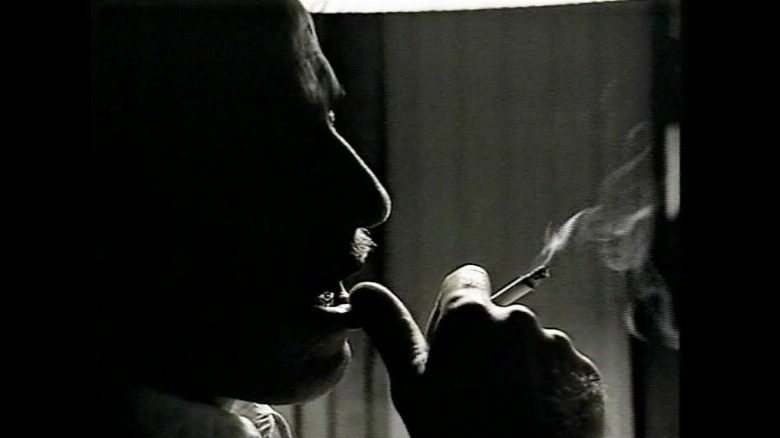
The film relies heavily on the nuanced performances of Sandro Dori and Alberto Cracco, who navigate the murky motivations of a case defined by its lack of clear resolution. Rather than relying on high-octane action, the director focuses on the slow burn of suspicion and the fragility of reputations under the weight of state scrutiny. This approach makes the film particularly compelling for viewers who appreciate character-driven storytelling where the tension arises from what is left unsaid in dimly lit interrogation rooms. It stands as a significant artifact for those interested in the evolution of European crime narratives, showing how a single incident can be transformed into a cultural myth that outlasts the actual participants.
For the contemporary cinephile, Il caso Fenaroli functions as a fascinating case study in narrative restraint. By choosing to focus on the procedural and human elements of the Via Monaci event, the filmmakers avoid the temptation to sensationalize the tragedy, opting instead for a somber exploration of human frailty. It is a must-watch for fans of atmospheric dramas who favor historical authenticity over stylized violence. The film does not merely recount a series of events but instead challenges the audience to consider how collective memory is constructed. As the global interest in true crime continues to dominate streaming platforms, revisiting this nineties production provides a valuable perspective on the foundations of the genre. It remains a sophisticated example of how television can elevate complex legal mysteries into profound meditations on the nature of truth itself.
Cast(6)





Crew
Editor
Director
Original Music Composer
Writer
Director of Photography
Supervising Producer
Similar Films