About In The Land That Sings
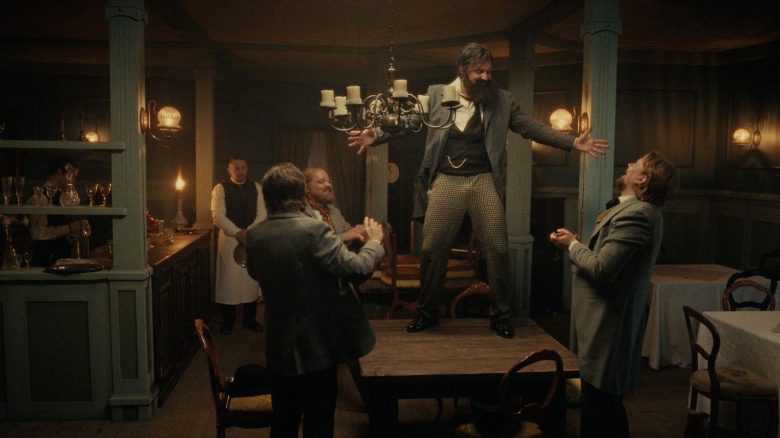
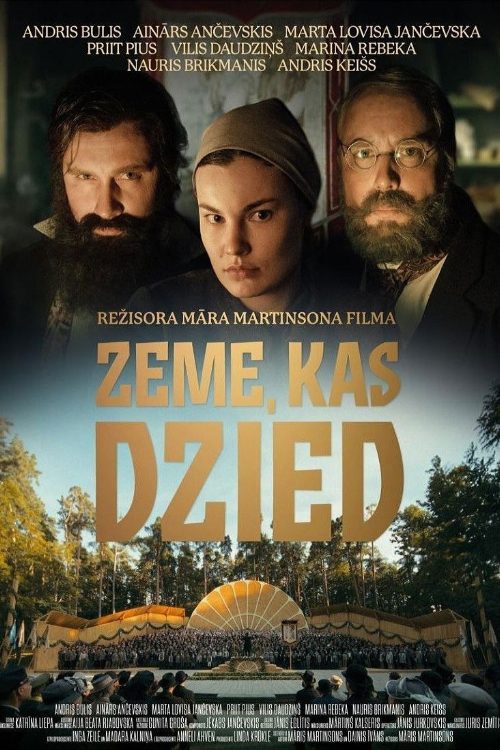
In 1873, brave men known as the New Latvians held the first-ever Latvian song festival under the watchful eye of oppressive censorship. This massive celebration, featuring 1,003 singers – both men and women – changed the course of the nation’s history. It stands as a unique example of non-violent resistance in the fight for freedom against imperialism, led by Latvia’s entrepreneurs, writers, publicists and ordinary villagers.
Cultural movements often gain their greatest strength when they channel the spirit of a people through the power of melody. In The Land That Sings transports audiences to the year 1873, capturing a pivotal moment when the inaugural Latvian song festival served as a quiet yet thunderous declaration of identity. While many historical dramas rely on the spectacle of warfare to illustrate the struggle for independence, this film takes a more nuanced approach by focusing on the collective voice of over one thousand performers. It highlights how the act of singing together became a sophisticated tool for non-violent resistance, effectively challenging the suffocating grip of imperial oversight during a time when national expression was heavily discouraged.
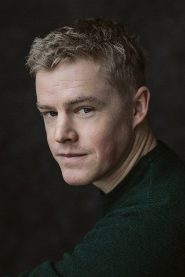
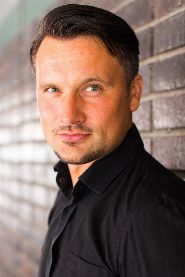
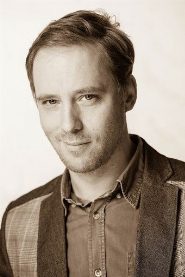
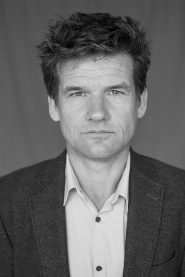
The film feels particularly resonant for viewers who appreciate the intersection of heritage and social change, mirroring the way contemporary Indian cinema often highlights regional identity as a form of cultural preservation. Just as films from the Malayalam or Tamil industries frequently explore the tension between tradition and modernity, this Latvian production underscores the necessity of communal memory. The cast, led by Eduards Plankajs and Oskars Hofmanis, brings a grounded sensibility to a story that could easily have slipped into grandiosity. Their performances emphasize the vulnerability of ordinary villagers, writers, and thinkers who risked everything to ensure their language and songs would not be erased by external authorities.
For cinephiles who seek out period pieces that prioritize atmosphere and historical weight over manufactured conflict, this drama is an essential watch. It serves as a poignant reminder that the most enduring revolutions are often fought with cultural artifacts rather than weapons. The director constructs the narrative with a patient, deliberate pace that allows the weight of the nineteenth century to press against the screen, making the eventual gathering of singers feel like a hard-won victory. It is a testament to the idea that when a community finds its harmony, it becomes an unstoppable force for autonomy. Those interested in the resilience of marginalized voices will find much to admire in this tribute to the architects of a nation’s soul.
Cast(44)