About Red Code Blue
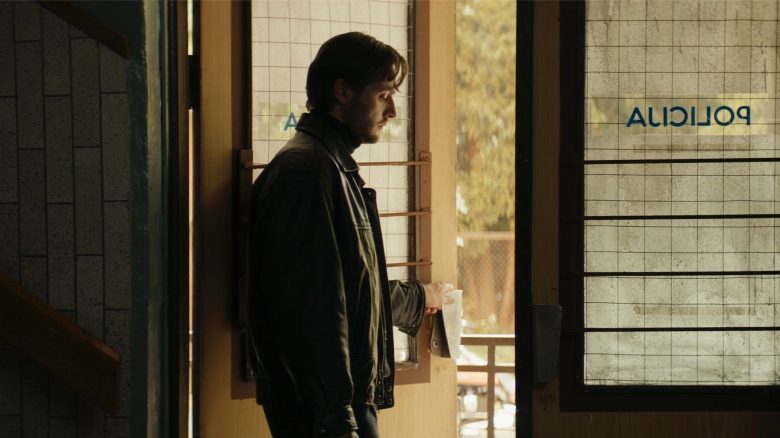
Young police detective Romāns Skulte joins the Riga Central Precinct in the mid-1990s. In no time at all, Skulte’s youthful enthusiasm clashes with the harsh reality of the streets, leading him to the realisation that in order to purge the city of crime, ethical and legal boundaries must be breached.
Red Code Blue captures the volatile atmosphere of mid-nineties Riga with a gritty intensity that feels both historical and timeless. Centered on the arrival of a rookie investigator named Romans Skulte, the film charts a transition from idealistic law enforcement to the morally gray terrain of post-Soviet urban policing. Rather than relying on standard procedural tropes, the narrative focuses on the psychological erosion of a man who believes that the only way to combat rampant criminality is to adopt the tactics of his adversaries. This transformation highlights the broader instability of a region navigating systemic change, where the line separating the badge from the bullet becomes increasingly porous. It is a compelling exploration of whether a system built on fragile foundations can ever truly be cleansed without breaking the very laws it intends to uphold.
For audiences familiar with the recent resurgence of Eastern European noir, this production stands out as a stark, uncompromising entry that mirrors the dark aesthetic and thematic weight seen in acclaimed international crime dramas. The performances, led by Ivars Levandovskis, bring a necessary layer of vulnerability to a character who is slowly being consumed by his own pursuit of justice. The film does not shy away from the bleakness of its setting, using the backdrop of nineties Latvia to ground its high-stakes moral dilemmas in a believable, albeit chilling, reality. It is positioned as a sophisticated watch for fans of character-driven tension who appreciate stories that prioritize internal conflict over mindless action.
Those who enjoy films that challenge their perspective on institutional ethics will find plenty to contemplate here. Directorially, the project manages to balance the frantic energy of street-level police work with a meditative look at the personal cost of obsession. By stripping away the glamour typically associated with the detective genre, the film invites viewers into a claustrophobic world where every decision carries long-term consequences. It is a bold, atmospheric addition to the current landscape of global crime cinema, demanding the full attention of those who prefer their dramas to linger in the mind long after the credits roll. As Skulte descends into this underworld, the audience is forced to ask just how much of one’s humanity must be sacrificed in the name of the greater good.
Cast(27)