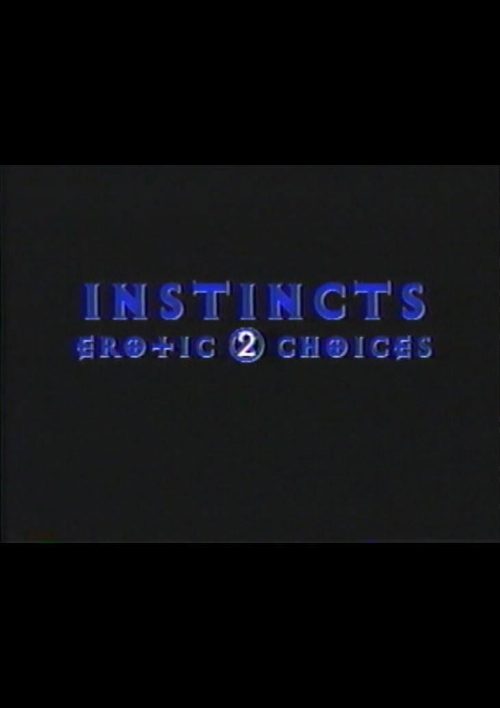
About Instincts: Erotic Choices 2
This follow up to the popular Better Gay Sex offers frank, explicit, and fully illustrated guidance for gay men interested in exploring their sexuality to its fullest potential. Starring seven models and Dr Mike Youle, Instincts surveys every sexual activity you can think of, and then some.
Navigating the landscape of nineties independent documentary cinema requires an appreciation for how filmmakers captured the shifting cultural conversations regarding personal identity and physical expression. Instincts Erotic Choices 2 arrives as a distinct artifact of this era, functioning as an instructional yet candid exploration of gay male intimacy. While contemporary digital media has normalized the accessibility of such educational content, this 1995 release serves as a reminder of the period when specialized long-form documentaries were the primary vehicle for disseminating information within the LGBTQ+ community. Directed by Mike Esser, the film moves beyond mere exhibitionism to position itself as a practical guide, utilizing a clinical yet accessible tone that was emblematic of the health-conscious advocacy prevalent during that decade.
The production features a collaborative effort between performers like Michael Hofland and David Demeter, alongside the expertise of Dr. Mike Youle, creating a bridge between professional medical insight and authentic human experience. Unlike traditional narrative cinema, the documentary structure here is designed for viewers seeking a comprehensive, illustrated breakdown of intimacy. It functions much like a visual manual, stripping away the stigma surrounding sexual exploration by treating the subject matter with a methodical, straightforward approach. For audiences interested in the history of queer media or the evolution of instructional documentary filmmaking, the project offers a fascinating look at how creators addressed the need for safe and informed sexual discourse nearly thirty years ago.
For those tracking the broader trajectory of global cinema, including the diverse outputs of industries like the Indian film sector where such frank subject matter is often handled through different cultural lenses or metaphorical storytelling, this documentary serves as a stark contrast. It represents a specific Western tradition of explicit, utility-focused filmmaking that prioritized transparency over subtext. Viewers who gravitate toward historical media studies or those curious about the developmental stages of sex-positive educational content will find this film particularly noteworthy. It stands as a testament to a time when directors were actively pushing the boundaries of what could be presented on screen to foster community health and personal empowerment. By blending the aesthetic sensibilities of the mid-nineties with a focused, educational objective, the film remains a unique entry in the archive of non-fiction cinema, providing a window into a pivotal moment of social and cultural maturation.