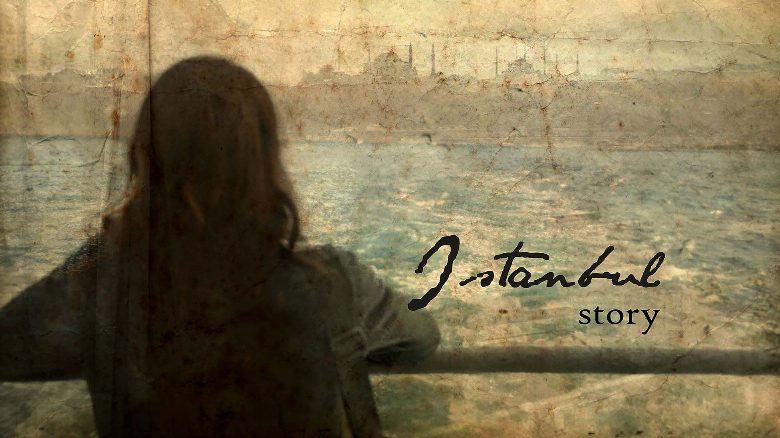

About Istanbul Story
Katia’s unexpected journey to Istanbul traps her in a chain of adventures enacted on the front of her disrupted childhood. She discovers her mother’s secrets and faces her own inner desires and dilemmas.
The cinematic landscape of 2016 offered a unique cross-border collaboration with Istanbul Story, a film that bridges the emotional terrain of Greece and Turkey through a deeply personal narrative. While audiences who follow the expansive outputs of the Indian film industries are accustomed to grand emotional journeys and family secrets revealed through travel, this project takes a more intimate, European approach to the trope of the self-discovery pilgrimage. Director Fotini Siskopoulou crafts a visual tapestry that leans into the rich history of its titular city, positioning the geography itself as a catalyst for the protagonist to confront the ghosts of her formative years. Unlike the high-octane dramas often seen in contemporary regional Indian cinema, this film favors a measured, atmospheric pace that invites the viewer into the internal landscape of its lead character as she unspools the hidden threads of her maternal lineage.
What makes this production particularly compelling is its commitment to the psychological weight of the past. The premise centers on a woman whose sudden departure for Turkey serves as the gateway to unlocking long-buried domestic mysteries. By setting the narrative against the backdrop of Istanbul, the film utilizes the city not merely as a postcard destination, but as a labyrinthine reflection of a fractured upbringing. This choice allows for a distinctive aesthetic that feels both grounded in reality and tinged with the melancholy of lost time. For fans of nuanced character studies who appreciate how geography can influence narrative identity, this work stands out as a thoughtful exploration of how we define ourselves in relation to our parents.
The film is well-suited for viewers who enjoy contemplative storytelling rather than traditional linear adventure. It avoids the bombast of typical blockbusters, opting instead for a quiet intensity that relies on the performances of actors like Kerem Can and Deniz Turkali to carry the dramatic load. Their involvement adds a layer of authenticity to the cultural exchange depicted on screen, grounding the script in a sense of place that feels earned. Those who find resonance in the slow-burn dramas common to the Malayalam film scene, or the introspective family sagas often found in independent Hindi cinema, will likely find much to admire here. It is an invitation to slow down and observe the ripples left behind by previous generations, making it a perfect recommendation for a weekend watch that prioritizes emotional depth over spectacle.
Cast(9)