It's Love(2016)
About It's Love
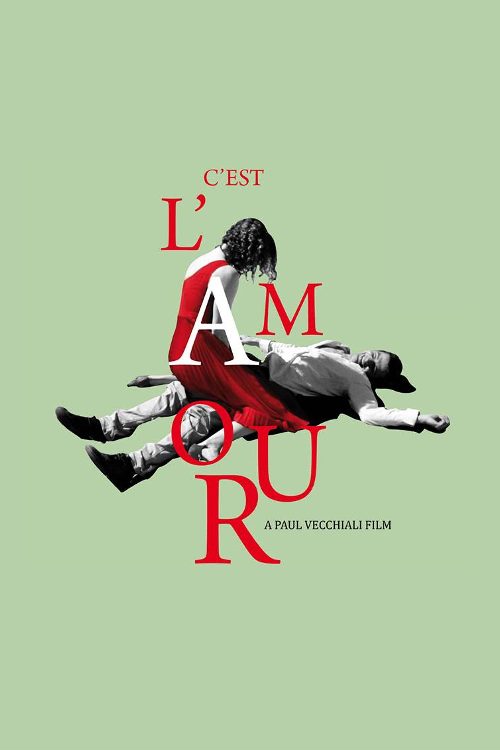
Odile suspects her husband, Jean, is cheating. Thus she decides to give him a taste of his own medicine. Fate gets her in touch with an actor, Daniel, who she will use for her revenge. The actor, living with a former serviceman, Albert, will make love with her. But there will be unexpected consequences: Odile and Daniel will be bound forever by an irrepressible love.
French cinema has long mastered the art of the delicate domestic unraveling, and the 2016 drama Its Love serves as a haunting exploration of how quickly a calculated scheme can spiral into genuine emotional turmoil. The narrative centers on Odile, a woman whose life is upended by the sudden suspicion that her husband is being unfaithful. Rather than confronting the betrayal with traditional dialogue, she chooses a path of mirrors and shadows, opting to orchestrate a retaliatory affair that she believes will balance the scales of her wounded pride. Her chosen instrument is Daniel, a struggling actor who occupies a precarious place in the world, sharing a home with a former soldier named Albert. By pulling this outsider into her private sphere, Odile inadvertently triggers a chain reaction that threatens to dismantle the boundaries between her tactical revenge and a burgeoning, raw reality.
This film sits comfortably within the tradition of French character studies that prioritize psychological interiority over high-octane plot mechanics. For audiences accustomed to the vibrant, high-stakes storytelling found in contemporary Indian cinema, where emotional betrayal is often met with explosive public confrontation or grand musical expressions of grief, Its Love offers a markedly different cadence. It is a quiet, contemplative piece that relies on the subtle shifts in facial expression and the unspoken tension between Anaïs Garnier and Raphaël Neal. The film avoids the trap of moralizing its protagonists, choosing instead to observe the messy, often contradictory nature of desire when it is born out of resentment. It is an ideal watch for those who appreciate the slow-burn romances of Eric Rohmer or the existential dread found in the works of Claude Chabrol, where the primary conflict is not external opposition, but the unreliable hearts of the people involved.
Director Paul Vecchiali manages to create an atmosphere of claustrophobic intimacy that keeps the viewer guessing about the true motivations of every character on screen. The film stands out because it refuses to provide easy answers or a cathartic resolution to the messy triangle Odile creates. Instead, it forces the audience to consider the cost of playing games with human emotions. As the story progresses, the lines between the performance Daniel puts on for the sake of the affair and the genuine vulnerability he shows become increasingly blurred. This is a film for the viewer who prefers the ambiguity of human relationships, perfectly suited for late-night viewing when the complexities of love and deception feel most poignant. It is a stark reminder that even the most carefully constructed plans often collapse under the weight of genuine human connection.