About Joan of Arc
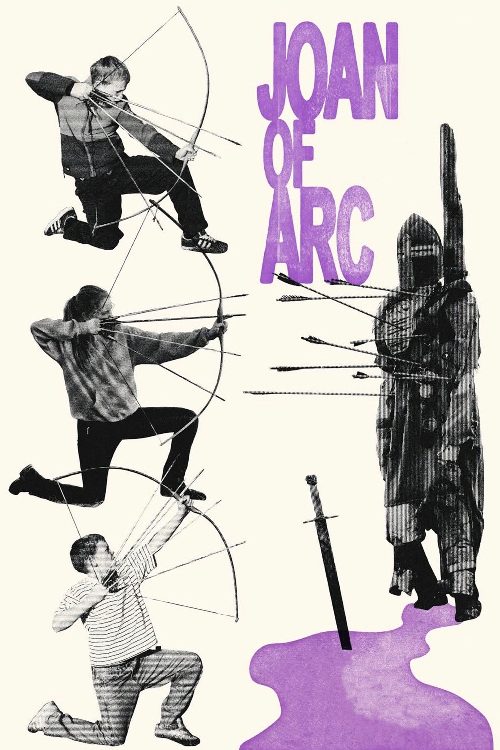
Three siblings craft a knight-like figure, only to unleash a barrage of arrows upon it. Through the seasons, we observe their lives as they both construct and demolish their lifelike creation.
The stark, windswept landscapes of Icelandic cinema have long provided a haunting backdrop for stories that blend the mundane with the surreal, and the 2025 release Joan of Arc continues this tradition with a distinctively playful yet melancholic energy. At the heart of the film lies a peculiar creative ritual performed by three siblings, who spend their days assembling an elaborate, armor-clad effigy only to dismantle it with a flurry of projectiles. This cycle of construction and destruction serves as a clever metaphor for the volatile nature of childhood imagination and the slow, inevitable erosion of innocence as the seasons cycle through the years. By focusing on this repetitive act of creation, the film carves out a niche that feels part fable and part observational character study, offering a meditation on how we project our internal conflicts onto the objects we build.
For fans of global cinema who appreciate the minimalist storytelling often seen in contemporary regional Indian dramas, this film will feel surprisingly resonant. Much like the best works from the Malayalam or Tamil industries that prioritize atmospheric tension and grounded character arcs over spectacle, Joan of Arc relies on the chemistry of its leads to carry the narrative weight. Ida Mekkin Hlynsdottir and her fellow cast members deliver performances that feel lived-in and raw, avoiding the artifice that can sometimes plague coming-of-age dramas. The film is positioned as an exercise in patience and perspective, making it a perfect recommendation for viewers who enjoy slow-burn storytelling where the environment acts as a silent, ever-changing protagonist. It does not demand constant action but rather asks the audience to sit with the characters as they navigate the transition from youthful play to the complexities of adulthood.
The director captures this evolution with a visual language that emphasizes the cyclical nature of time, ensuring that the recurring image of the knight figure never loses its symbolic power. While the premise might sound whimsical, there is a sharp, dry wit woven into the fabric of the script that keeps the tone balanced between tragedy and comedy. It is an ambitious piece of filmmaking that manages to find profound meaning in the simple act of play. For those looking to broaden their cinematic horizons beyond the high-octane blockbusters currently dominating the global market, this quiet, evocative feature offers a refreshing change of pace. It stands as a testament to the idea that the most impactful stories are often found in the small, repetitive patterns of our daily lives, waiting to be interpreted through the lens of human experience.