About When the Light Breaks
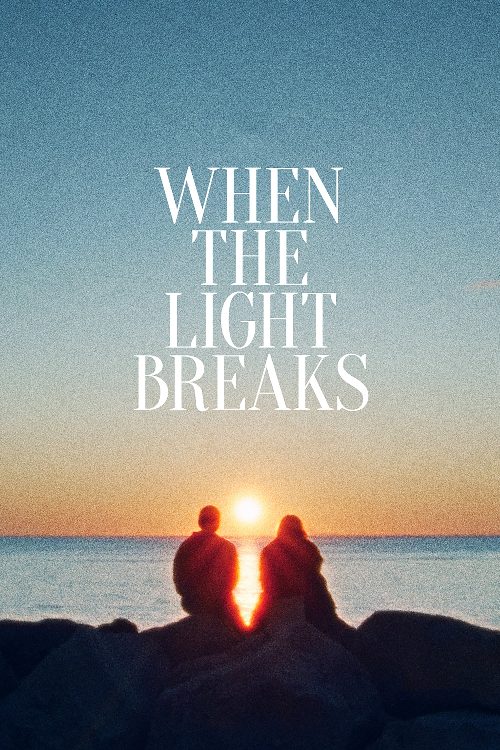
When the light breaks on a long summer’s day in Iceland. From one sunset to another, Una, a young art student, encounters love, friendship, sorrow and beauty.
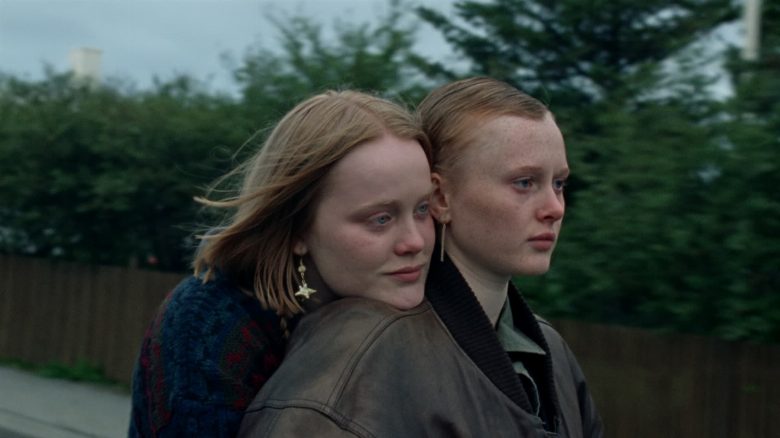
Icelandic cinema has long mastered the art of capturing the profound stillness of the North, and When the Light Breaks serves as a breathtaking addition to this tradition of meditative storytelling. Set against the endless luminosity of the Icelandic summer, the film tracks a single, transformative day in the life of an art student named Una. Rather than relying on high-octane plot mechanics, the narrative unfolds through a delicate exploration of human connection, tracing how grief and affection can collide within the span of a few fleeting hours. It is a rare piece of filmmaking that manages to feel both intimate and expansive, mirroring the vast, unyielding landscapes of its setting while remaining tethered to the fragile emotions of its central characters.
While the Indian film industry, particularly the vibrant landscapes of Telugu and Malayalam cinema, often thrives on high-stakes drama and intricate world-building, there is a growing appetite among global audiences for this brand of European atmospheric realism. Much like the quiet, character-driven gems that have recently emerged from the independent circuits of Kerala or West Bengal, this film prioritizes mood and psychological authenticity over traditional pacing. Viewers who gravitate toward films that invite reflection rather than providing easy answers will find much to admire here. It is positioned as a quintessential arthouse experience, perfect for those who appreciate the aesthetic rigor found in the works of directors who understand how light and shadow can define a character’s internal landscape.
The ensemble cast, featuring Elin Hall and Einar Haraldsson, delivers performances that feel remarkably lived-in, grounding the ethereal nature of the script in genuine human vulnerability. By focusing on the transient nature of a summer day, the film touches on universal themes of loss and the persistent beauty found in the aftermath of tragedy. It avoids the heavy-handed sentimentality often found in dramas of this nature, instead opting for a observational style that trusts the audience to interpret the silences between the dialogue. For cinephiles who look for films that linger in the mind long after the credits roll, this Icelandic drama offers a sophisticated, deeply moving study of what it means to exist in the wake of an unexpected turning point. It is a testament to the power of minimalist storytelling, proving that even the quietest days can hold the weight of a lifetime.
Cast(13)