
About Jonatan Spang's Wedding
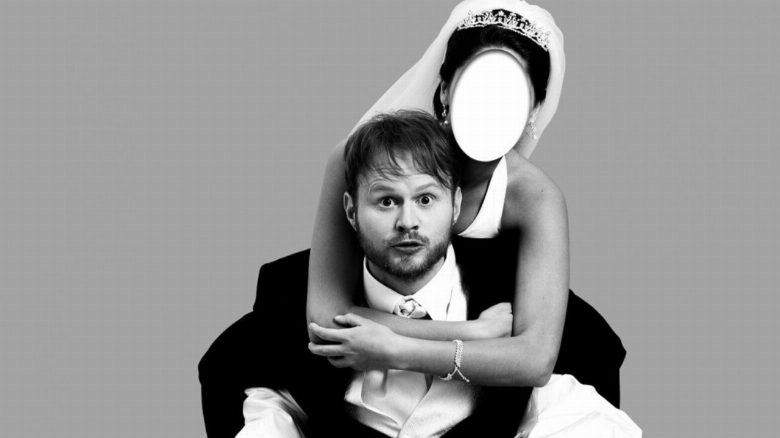
In Jonatan Spang's one-man show, everything is ready for the big event, and the groom is free of all his (214) previous relationships, finally ready to put the ring on a finger. Spang has the church commissioned, the speech largely written, and the champagne on ice. But, there's one problem: what's a wedding without someone to be wed to?
When the spotlight hits the stage in Jonatan Spang's Wedding, the audience is treated to a masterclass in the intersection of stand-up comedy and theatrical narrative. While international audiences might be more accustomed to the high-octane emotional dramas or elaborate song-and-dance spectacles common in the Telugu or Hindi industries, this Danish production offers a refreshing departure into the realm of the observational one-man show. Spang navigates the anxieties of modern commitment with a sharp, cynical wit that transcends linguistic barriers. By framing his entire performance around the structural preparations for a nuptial ceremony that lacks a central partner, he taps into the universal dread of social expectations and the absurdity of milestone-chasing in contemporary society.
The film stands out for its minimalist approach, relying entirely on the charisma and timing of its lead performer to sustain the tension. Fans of Indian cinema who appreciate the dialogue-heavy, character-driven scripts found in Malayalam indie gems will likely find a kindred spirit in Spang’s methodical dismantling of romantic tropes. It is a work that prioritizes the psychological clutter of the protagonist over grandiose production values, making it an ideal watch for those who prefer cerebral humor to slapstick. Lars Hammer directs with a light touch, ensuring the focus remains squarely on the speaker as he balances the logistical demands of a wedding with the glaring absence of a bride.
This project serves as a compelling case study for viewers interested in how global comedy translates across different cultural landscapes. Even for those accustomed to the grand-scale family sagas prevalent in South Indian cinema, the premise here feels surprisingly resonant. It captures the frantic, often hilarious pressure to conform to societal checklists, proving that the fear of staying single is a global language. Those who enjoy comedians who use their personal lives as a canvas for broader social critique will find this piece particularly engaging. It is an exploration of the ego, the performance of happiness, and the peculiar loneliness that can exist even when every logistical detail of life appears to be perfectly organized.
Crew
Writer
Production Manager
Camera Operator
Director
Still Photographer
Graphic Designer
Similar Films