About La fornarina
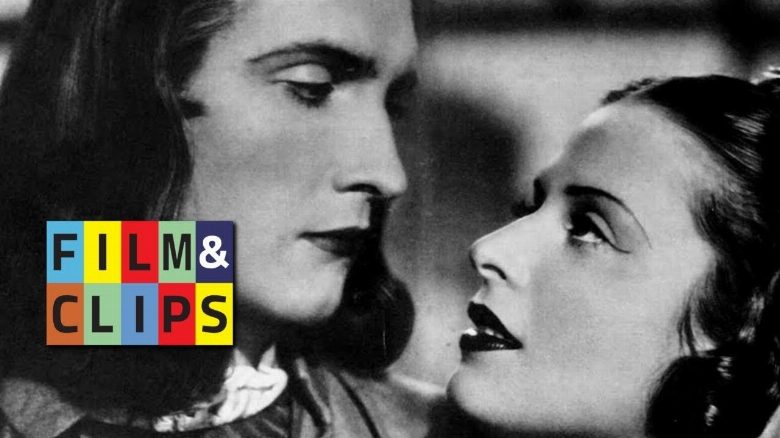
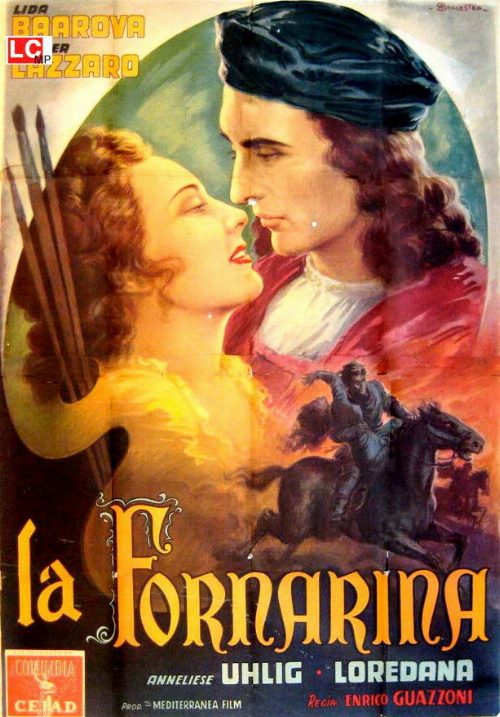
During Italian renaissance, young painter Raffaello Sanzio falls in love with Margherita, a maiden of the people, becomes her lover and lives with her. But this relationship arouses the jealousy of a beautiful aristocrat who secretly orders the kidnapping of the girl. Raffaello falls into a state of prostration and does everything he can to find Margherita...
Tracing the delicate intersection of artistic obsession and historical romance, La fornarina captures a vision of the Italian Renaissance that feels both distant and intensely personal. Directed by Enrico Guazzoni, the film navigates the legendary connection between the iconic painter Raffaello Sanzio and his muse, a humble woman who captures his creative spirit. Rather than opting for a dry biographical retelling, the narrative focuses on the volatile tension between his burgeoning professional acclaim and the visceral, often dangerous nature of his private attachments. The story frames the artist not merely as a master of the canvas, but as a man whose emotional instability is fueled by the social divide separating him from his beloved.
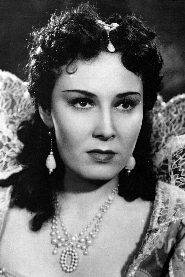
For modern viewers accustomed to the high-stakes dramas of contemporary global cinema, this mid-century production offers a fascinating look at how classic European filmmaking approached historical figures. There is a distinct theatrical quality to the performances, particularly from Loredana, whose portrayal of the titular character anchors the film against the backdrop of aristocratic intrigue and period-specific power dynamics. While the film belongs to a bygone era of international cinema, its exploration of the artist as a tortured romantic remains a timeless trope that continues to resonate with audiences today. It serves as a compelling bridge between the rigid formalities of early twentieth-century period pieces and the more psychologically complex character studies that would eventually dominate the medium.
Those who gravitate toward films that blend aesthetic grandeur with the intimate struggles of historical icons will find much to admire in this work. It does not shy away from the darker implications of social status, using the kidnapping of the protagonist as a catalyst to deconstruct the vulnerability of the artist when his source of inspiration is threatened. Guazzoni demonstrates a clear interest in how the environment of the Renaissance functioned as a pressure cooker for personal desire and public duty. Ultimately, the film stands as a testament to the enduring fascination with the lives behind the masterpieces, suggesting that the most profound works of art are often born from the most turbulent human experiences. It is a thoughtful addition to the library of any cinephile interested in the evolution of romantic period dramas and the stylistic choices of a director who operated during a pivotal moment for global film history.
Cast(13)