About Le Plaisir
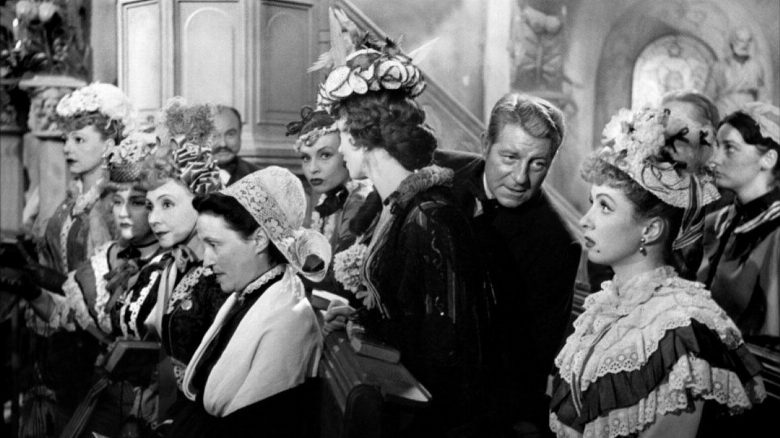
Three stories about the pleasure. The first one is about a man hiding his age behind a mask to keep going to balls and fancying women - pleasure and youth. Then comes the long tale of Mme Tellier taking her girls (whores) to the country for attending her niece's communion - pleasure and purity. And lastly, Jean the painter falling in love with his model - pleasure and death.
Max Ophuls remains a titan of European cinema, and his 1952 anthology film Le Plaisir stands as a quintessential masterclass in the fluidity of the human condition. While contemporary audiences familiar with the high-octane spectacle of modern Telugu or Hindi commercial cinema might expect a different pace, this French classic offers a rhythmic, visual elegance that transcends linguistic barriers. By weaving three distinct narratives into a singular exploration of joy and its inevitable limitations, the director challenges the viewer to look past the surface of social performance. It is a work that feels remarkably relevant to the current global trend of elevated anthology storytelling, where thematic resonance takes precedence over linear plot progression.
The film operates through a lens of biting wit and profound melancholy, moving from the desperate vanity of aging to the stark juxtaposition of sacred devotion and earthly decadence. In the central segment, the journey of Madame Tellier and her companions serves as a poignant reminder of how fragile reputations are, especially when placed against the backdrop of innocence. This transition from the hedonistic energy of urban life to the quiet, pastoral setting highlights a recurring motif in world cinema, where characters often find their most authentic selves when stripped of their usual environments. For those who appreciate the nuanced character studies found in the best of Malayalam independent dramas, the film offers a similarly intimate look at societal hypocrisy and the quiet desperation of individuals trying to curate their own happiness.
Viewers who enjoy atmospheric cinematography and stories that prioritize mood over action will find this essential viewing. Its influence on international directors is palpable, as the film manages to balance tragic undertones with comedic observations without losing its narrative cohesion. Jean Gabin and the rest of the ensemble cast deliver performances that ground the philosophical inquiries in raw, relatable emotion. Whether you are a student of classic European aesthetics or simply someone who enjoys a contemplative dive into the complexities of desire, this picture serves as a timeless artifact. It remains a sophisticated choice for those who believe that the most compelling dramas are those that invite us to reflect on the pursuit of satisfaction and the fleeting nature of the moments we cherish most.
Cast(29)