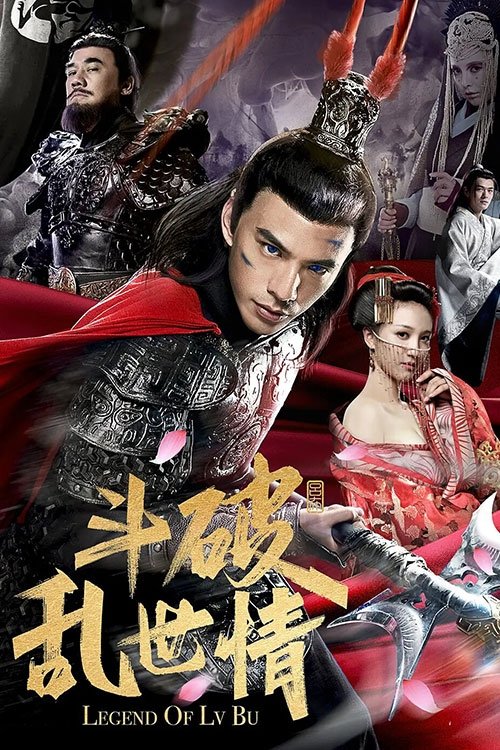
About Legend of Lu Bu
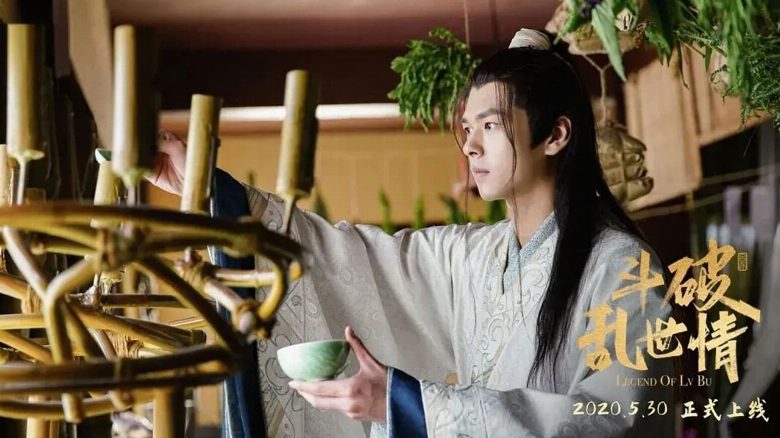
In times of war, the traitor Dou Zhun was in power and used poisonous poison to domesticate the medicine people. Yao Ren 19 escaped after a trial of the body and escaped by chance. By chance, she was rescued by the girl Cicada Clothing and named "Yizhibu". The two became more and more sorrowful. On the other side, Dou Jun sent someone to chase 19, the villagers were innocently killed, cicadas fell off the cliff, a piece of cloth was caught and the memory was tampered with ... Three years later, it was a great disaster Cicada recommended to assassinate Dou Jun, reunite with a piece of cloth that lost memory and became Dou Junyi. Full of hatred turned into grief, one side is home country, the other side is love, where should they go in the chaotic world.
The cinematic landscape of Chinese historical fantasy often leans heavily into grand spectacles, yet Legend of Lu Bu carves out a specific niche by blending martial arts intensity with the fragility of human memory. Director Cai Cong crafts a narrative that centers on the concept of the medicine people, a supernatural layer added to the familiar backdrop of wartime power struggles. By introducing a protagonist who has been physically altered and mentally fractured by political schemes, the film shifts the focus from mere battlefield strategy to the internal conflict of a warrior caught between a manufactured past and a duty to the innocent. This thematic choice elevates the project above standard period action pieces, offering a character study that resonates with anyone who appreciates the emotional stakes found in the high-octane dramas of the Indian film industry, such as the grand scale of RRR or the intense interpersonal loyalties of Baahubali.
The story follows a young woman who survives a harrowing experiment, only to find herself entangled in a web of betrayal orchestrated by the ruthless Dou Zhun. When she is rescued and renamed, the film highlights a recurring trope in Eastern cinema where the loss of identity serves as a catalyst for growth. The narrative tension escalates when the protagonist is thrust into a position where she must confront a lover who has been manipulated into serving the very enemy they sought to overthrow. For audiences who enjoy the fusion of folklore, romance, and gravity-defying combat, the film provides a visually rich experience. It captures the essence of the period action genre while maintaining a tight focus on the tragic implications of war on the individual spirit.
Charles Lin and the ensemble cast handle these demanding roles with a commitment to the heightened reality of the setting, ensuring that the mythological elements feel grounded in genuine emotion. The production design emphasizes the chaotic nature of the era, reflecting a world where loyalty is a liability and truth is often the first casualty of conflict. Viewers who gravitate toward films that balance epic choreography with deeply personal arcs will find much to admire here. As the plot unfolds, the challenge of choosing between personal devotion and the greater good remains the driving force, positioning the film as a compelling entry for those who appreciate stories where historical weight meets personal reckoning. It serves as a reminder that even in the most fantastical settings, the most captivating battles are often fought within the heart of the protagonist.