About Legendary Divine Kung Fu
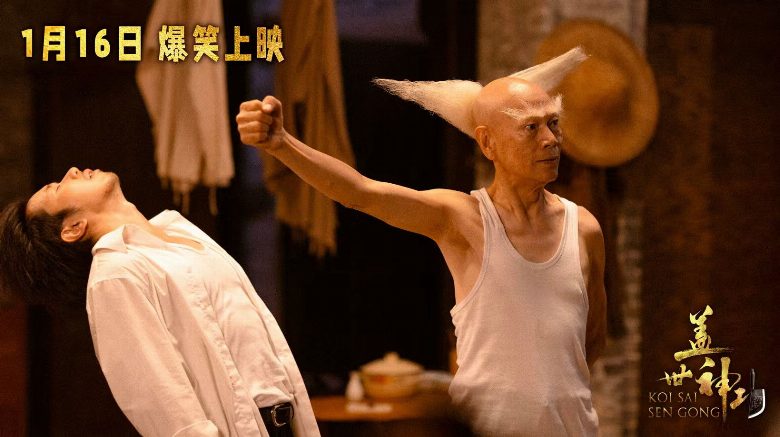
n the 1970s, Hong Yingzhen is born into the martial arts family of the Hong Blade Sect in the Chinatown of H Country. Yet despite his lineage, he grows up achieving nothing of note and is mockingly labeled a “good-for-nothing” by those around him. By chance, Hong Yingzhen reunites with an old classmate, Bao Dian, and is introduced to Brother Bao, the leader of the Zhongxiao Hall, unwittingly becoming entangled in a dangerous conspiracy. Meanwhile, the reclusive martial arts master Wuchen sees through Hong Yingzhen’s mediocrity and recognizes him as a hidden prodigy. Wuchen unlocks his blocked meridians, setting his true potential free.
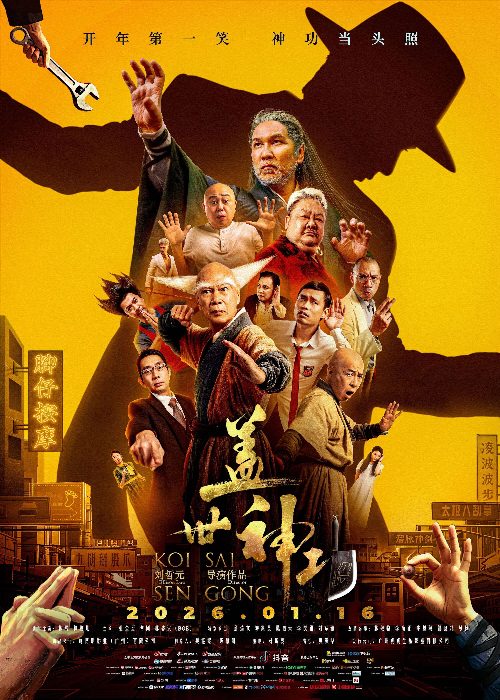
The landscape of international martial arts cinema is undergoing a fascinating transformation as filmmakers blend the high-octane choreography of the seventies with a sharper, more contemporary sense of humor. In the upcoming release Legendary Divine Kung Fu, director Liu Zheyuan crafts an irreverent homage to the classic Hong Kong action era while injecting a modern sensibility that feels both nostalgic and refreshingly bold. By casting Jin Gang as a protagonist who struggles to live up to a prestigious family name, the film taps into the relatable trope of the underdog fighting against systemic expectations. It is a premise that resonates deeply with audiences accustomed to the high-stakes heroics of global cinema, yet this narrative chooses to pivot toward comedy rather than pure drama, creating a unique space for itself in the current theatrical market.
The story follows Hong Yingzhen, a man whose lineage in the Hong Blade Sect should be a source of pride but instead becomes the punchline of every joke in his local community. The film excels in its depiction of the immigrant experience in Chinatown, grounding the chaotic martial arts sequences in a tangible cultural setting that feels lived-in and authentic. When an accidental reunion with an old acquaintance draws the protagonist into a web of underworld intrigue, the movie shifts gears from a character study of a reluctant failure into a fast-paced caper. This structural choice keeps the pacing tight and ensures that the transition from slacker comedy to high-stakes combat feels earned rather than forced. Fans of ensemble comedies will appreciate the chemistry between Bob Lam Shing-Ban and Kenneth Chan, who provide a strong comedic foil to the more serious training sequences led by the mysterious master Wuchen.
Viewers who enjoy the subversion of classic tropes will find plenty to admire here, as the film constantly plays with the audience's knowledge of traditional hero journeys. By focusing on the unlocking of hidden potential through the lens of absurdity, Liu Zheyuan manages to deliver the satisfying payoff of a traditional fight film while maintaining a lighthearted tone throughout. It is an ideal pick for those seeking an escape that balances impressive physical stunts with sharp, witty dialogue. As the industry continues to experiment with genre-bending narratives, this production stands out as a polished, entertaining entry that proves the martial arts comedy subgenre still has plenty of room to evolve and surprise us.