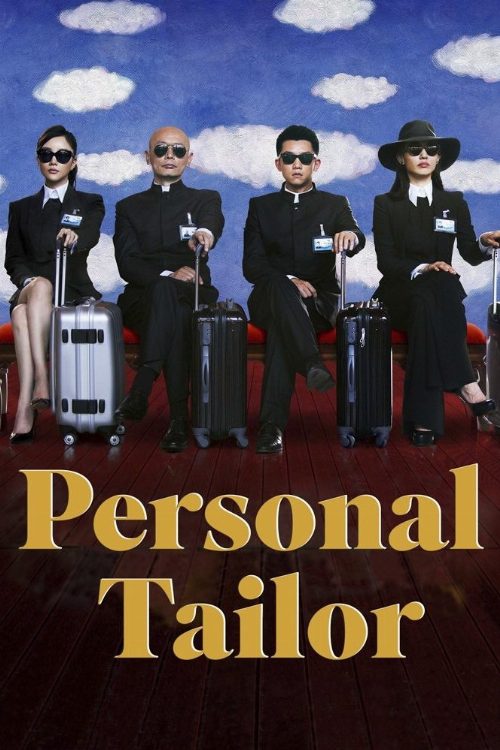
About Personal Tailor
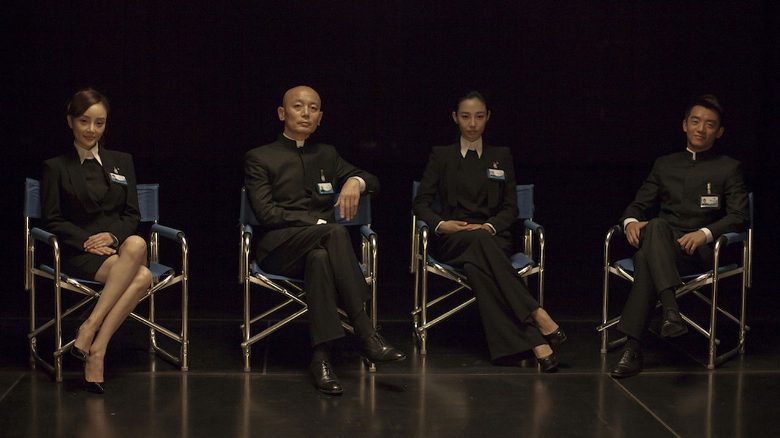
A story centered on a company that grants wishes to people looking for a day away from their ordinary lives.
Feng Xiaogang has long been a master of the Chinese satirical dramedy, and Personal Tailor stands as a quintessential example of his ability to blend lighthearted absurdity with a sharp, observant critique of modern social aspirations. The narrative revolves around an unconventional agency that offers a rather specific service: it helps clients live out their most outlandish fantasies for a brief period. By staging elaborate scenarios that allow people to briefly step into the shoes of those they envy or the personas they wish they could embody, the film probes the restless dissatisfaction that often accompanies a rapidly changing society. It is a whimsical yet poignant look at the human tendency to focus on what we lack rather than what we possess, all while maintaining the snappy, dialogue-heavy humor that has become a hallmark of the director's long-standing career.
For international audiences, particularly those accustomed to the high-energy emotional arcs found in current Indian cinema, this film offers a refreshing change of pace by leaning into situational irony rather than grand melodrama. Much like the best ensemble comedies coming out of the Tamil or Telugu industries, the strength here lies in the chemistry of the lead performers who must navigate increasingly ridiculous setups with a straight face. Bai Baihe shines as a central pillar of this chaotic organization, grounding the surreal premise with a performance that balances playfulness with a subtle touch of melancholic reflection. The episodic structure allows the film to touch upon various facets of human vanity, ranging from the desire for status and wealth to the longing for artistic recognition, making it a relatable watch for anyone who has ever daydreamed about a completely different life.
Viewers who enjoy character-driven stories that refuse to take themselves too seriously will find much to admire in this production. It functions as both a light comedy for casual viewing and a mirror held up to the audience, questioning the validity of the societal pressures that dictate our personal goals. While the film operates within a distinctly urban Chinese cultural context, its central theme of identity performance is universal, echoing the anxieties often depicted in contemporary dramas across global cinema. Whether you are a fan of Feng Xiaogang’s previous work or simply a seeker of films that prioritize witty writing over heavy action, this journey into the business of dreams provides a thoughtful, entertaining experience that lingers long after the final scene. It is a testament to the idea that sometimes, the best way to understand reality is to briefly step outside of it.
Cast(9)