Let's Rob the Bank(1964)
About Let's Rob the Bank
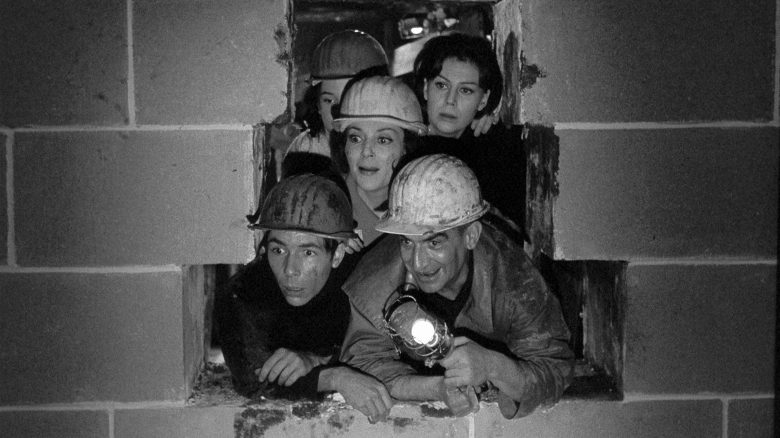
Shopkeeper Victor Garnier has naively invested his family's life savings in an African mine, on his banker's recommendation. When the mine is nationalized, rendering the stock worthless, he considers himself shamelessly robbed by the bank; it seems only fair to him to return the 'favor' and rob the bank, teaming up with the whole family as they were all duped. Even for professionals such an enterprise -he decides to dig a tunnel- is quite demanding, but for simple commoners it's daunting, as they also have their personal downsides; thus Victor's wife has a most unwelcome tendency to blurt out the truth, even to the grumpy local copper: a crazy risk when you need to keep a criminal plan secret.
The mid-sixties French cinematic landscape was defined by a peculiar blend of sophistication and slapstick, and Lets Rob the Bank serves as a quintessential artifact of that era. At its core, the film explores the indignity of financial betrayal, centering on a patriarch who finds his family wealth decimated by a fraudulent investment scheme. Rather than seeking legal recourse, he opts for a grassroots form of vigilante justice, orchestrating an amateur heist against the very institution that swindled him. The premise functions as a satirical critique of the banking establishment, yet it maintains a lighthearted tone that distinguishes it from the gritty crime dramas often associated with European thrillers. It is a classic tale of the underdog fighting back, albeit with a comedic twist that highlights the absurdity of their predicament.
For contemporary audiences who enjoy the high-stakes thrills of modern heist movies, this film offers a refreshing look at the genre through a domestic lens. The comedy arises not from professional competence, but from the lack thereof, as the entire household participates in the endeavor. The inclusion of a spouse who cannot hold her tongue adds an element of chaotic tension that keeps the plot moving at a brisk pace. It serves as a reminder that before the polished, tech-heavy bank robberies seen in recent global cinema, the charm of the genre lay in the sheer incompetence and relatable desperation of the perpetrators. The film captures a specific cultural mood where the rigid structures of authority were frequently challenged by the bumbling persistence of the middle class.
The cast, featuring reliable character actors like Dominique Zardi and Henri Attal, provides the necessary comedic timing to make this chaotic domestic operation feel grounded. Their performances ensure that despite the criminal nature of the plot, the characters remain sympathetic and endearing to the viewer. This film is highly recommended for fans of vintage European comedies who appreciate a story where the stakes feel personal rather than abstract. It is a testament to the enduring appeal of the heist subgenre when it is stripped of its glamour and replaced with the messy, unpredictable nature of family dynamics. By focusing on the vulnerability of the common man against corporate indifference, the film remains surprisingly relevant to anyone who has ever felt the sting of a bad deal, proving that sometimes the best way to handle a crisis is to laugh at the sheer impossibility of the solution.
Cast(30)