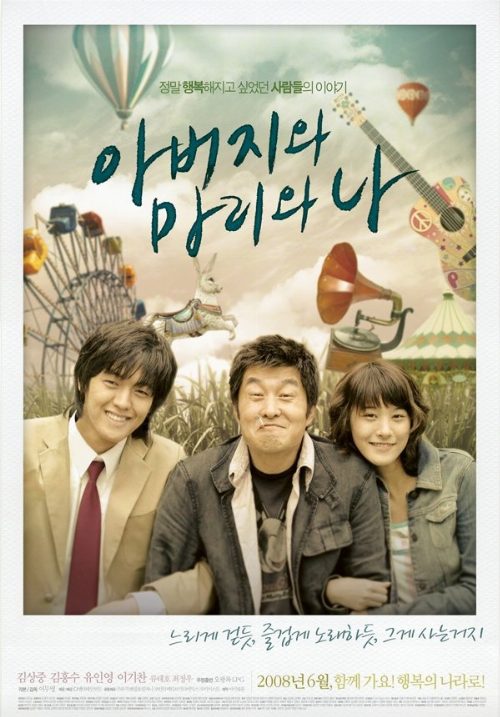
About Like Father, Like Son
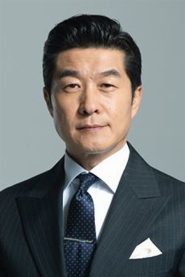
The story of people who really wanted to be happy | Like walking slow, like singing joyfully, it's living. Legendary rock singer Tae-soo (played by Kim Sang-joong), who dominated the music scene in his childhood, visits his son Gun-sung's house in 15 years. Tae-soo, whose philosophy of life is to live so roughly that even his son's name is Gun-sung, is far from the traditional image of a responsible and sacrificial father. Meanwhile, son Gun-sung is a man of good living who prepares music and study step by step as planned so as not to be like his father, and I don't like Tae-soo, a father from one to ten. The relationship between the two, which is a mixture of affection and affection that has been building up for 15 years in a quarrel, is hardly narrowed.
Cinema often functions as a mirror for the generational divide, and few films capture the dissonance between a bohemian past and a rigid present quite like the 2008 South Korean drama Like Father, Like Son. Directed by Lee Mu-yeong, the film explores the volatile intersection of a legendary rock musician and his estranged, buttoned-up progeny. While the South Korean film industry has become globally synonymous with high-octane thrillers and polished genre pieces, this particular work taps into a quieter, more introspective tradition of character-driven storytelling. It focuses on the collision between a father who treats life like an unscripted concert and a son who views existence as a meticulous checklist. This thematic tension provides a grounded, humanistic look at how families navigate the wreckage of broken bonds when the primary architect of that instability suddenly returns to the fold.
For fans of Asian cinema who appreciate the delicate balance between melancholy and humor, this movie offers a sophisticated character study rather than a standard redemption arc. The narrative is defined by the stark contrast in lifestyles between Tae-soo, a man whose musical legacy is eclipsed only by his personal recklessness, and Gun-sung, a young man so traumatized by his upbringing that he has structured his life to be the antithesis of his father. The film stands out because it refuses to force a quick reconciliation, instead allowing the audience to sit with the deep-seated resentment that has calcified over a decade and a half of silence. It is a poignant examination of whether shared blood is enough to bridge the chasm left by years of parental neglect.
Viewers who enjoy nuanced acting will find much to admire in the performances of Kim Sang-joong and the rest of the ensemble, who breathe life into these deeply flawed individuals. It is an essential watch for those interested in the evolution of Korean domestic dramas that favor emotional complexity over melodrama. By avoiding the typical tropes of the prodigal father returning to a warm welcome, the film forces the characters—and the viewer—to confront the difficult reality that sometimes, love is not enough to heal the damage of the past. It serves as a reminder that the pursuit of happiness, while a universal human goal, often looks entirely different depending on whether you are the person holding the guitar or the person trying to build a quiet life in its shadow.