About Lone Survivor
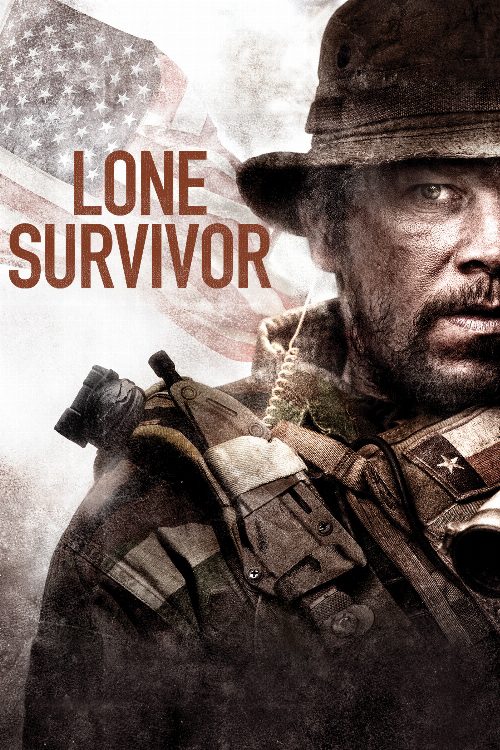
Four Navy SEALs on a covert mission to neutralize a high-level Taliban operative must make an impossible moral decision in the mountains of Afghanistan that leads them into an enemy ambush. As they confront unthinkable odds, the SEALs must find reserves of strength and resilience to fight to the finish.
Peter Berg delivers a visceral examination of human endurance in Lone Survivor, a production that strips away the romanticism often associated with military cinema to focus on the raw mechanics of survival. Set against the rugged, unforgiving terrain of the Hindu Kush, the narrative centers on a small reconnaissance team whose tactical operation spirals into a desperate struggle for preservation. Unlike many films that prioritize geopolitical grandstanding, this feature anchors its intensity in the brotherhood of its protagonists, emphasizing the psychological weight of snap decisions made under extreme pressure. It serves as a stark reminder of the isolation faced by soldiers in hostile territories, where the line between strategic success and total catastrophe can vanish in a heartbeat.
For audiences accustomed to the high-stakes intensity of the modern Indian action genre, particularly the grit found in recent Telugu or Hindi survival dramas, Lone Survivor offers a compelling international parallel. It avoids the stylized choreography of mainstream commercial cinema, opting instead for a documentary-like urgency that forces the viewer to confront the physical toll of combat. The cast, featuring strong performances from Taylor Kitsch and Ben Foster, leans heavily into the ensemble dynamic, which feels reminiscent of the character-driven war epics that have gained significant traction in global markets. Viewers who appreciate films that emphasize tactical authenticity and the harrowing reality of infantry warfare will find this experience both exhausting and profoundly absorbing.
Director Peter Berg demonstrates a clear commitment to portraying the logistical nightmare of modern warfare, using tight framing and aggressive sound design to simulate the disorientation of an ambush. The film functions as an intense character study of resilience, stripping away extraneous subplots to ensure that the focus remains entirely on the moral dilemma that triggers the central conflict. It is positioned as a sobering piece of media that demands emotional stamina from its audience, yet it rewards that engagement with a visceral depiction of tactical camaraderie. By stripping back the typical heroism of the genre, the movie creates a grounded, relentless atmosphere that captures the sheer difficulty of maintaining one's humanity when the environment itself seems designed to ensure defeat. It remains a definitive entry for those interested in realistic action narratives that refuse to compromise on the brutal consequences of military engagement.
Cast(46)