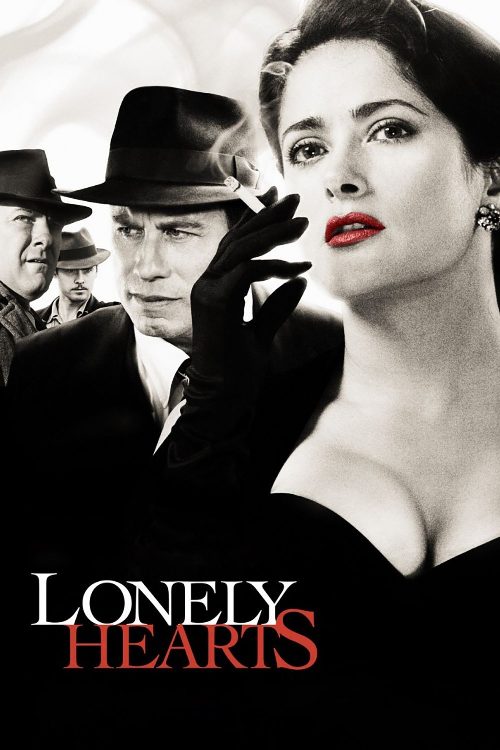
Lonely Hearts(2006)
About Lonely Hearts
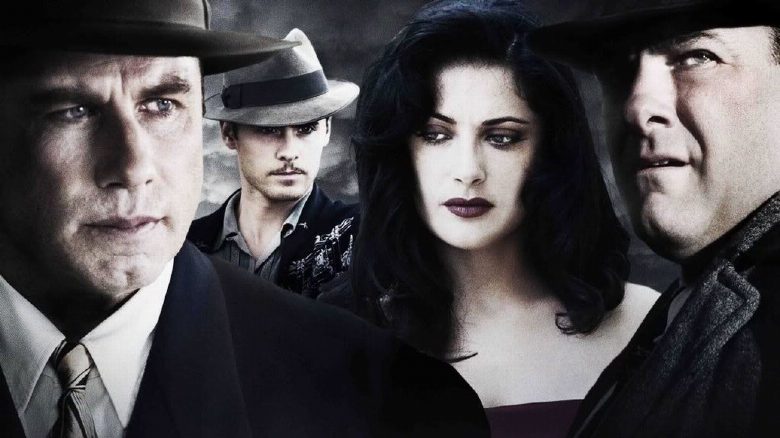
In the late 1940s, a murderous couple known as the 'The Lonely Hearts Killers' kills close to a dozen people. Two detectives try to nab the duo who find their targets via the personals in the paper.
Stepping away from the glitz of modern noir, Lonely Hearts serves as a stark, atmospheric reminder of the post-war American landscape where desperation and darkness often walked hand in hand. While contemporary Indian cinema frequently explores the intersection of crime and human obsession through gritty, hyper-stylized thrillers, this 2006 feature offers a more grounded, period-specific study of malice. It captures the psychological decay of a duo whose predatory instincts were masked by the era's traditional courtship rituals. By focusing on the intersection of intimate betrayal and police procedural tension, the film carves out a niche for viewers who appreciate the slow-burn intensity found in classic crime sagas rather than the rapid-fire action sequences currently dominating global box offices.
The film stands out primarily due to its powerhouse ensemble, which brings a heavy, lived-in authenticity to the screen. Watching John Travolta and James Gandolfini trade their usual archetypes for the weary, methodical persistence of detectives on the trail of a phantom couple is a masterclass in understated performance. Jared Leto and Salma Hayek Pinault inhabit the roles of the killers with a chilling blend of vulnerability and calculated cruelty, perfectly reflecting the manipulative nature of their crimes. For audiences who enjoy the narrative complexity of recent hits in the Malayalam or Hindi industries that prioritize character-driven suspense over spectacle, this movie provides an engaging, albeit somber, experience that lingers long after the credits roll.
Director Todd Robinson approaches the material with a documentarian’s eye for detail, ensuring that the visual palette reflects the gloom of the late 1940s. The film is tailored for those who enjoy psychological dramas that prioritize the "why" over the "how," diving deep into the parasitic relationship between the perpetrators. It eschews the typical sensationalism associated with true crime stories, instead highlighting the moral fatigue of the investigators who must reconcile their personal lives with the horrors they uncover. Fans of hard-boiled detective fiction and period-accurate thrillers will find this piece to be an essential watch, as it maintains a consistent, moody tension that captures the era's specific brand of post-war anxiety. Its focus on the banality of evil remains as relevant today as it was when the film was first released, proving that the most unsettling stories are often those that hide in plain sight.
Cast(21)