Love Track: Onion Soup After Hours(2025)
About Love Track: Onion Soup After Hours
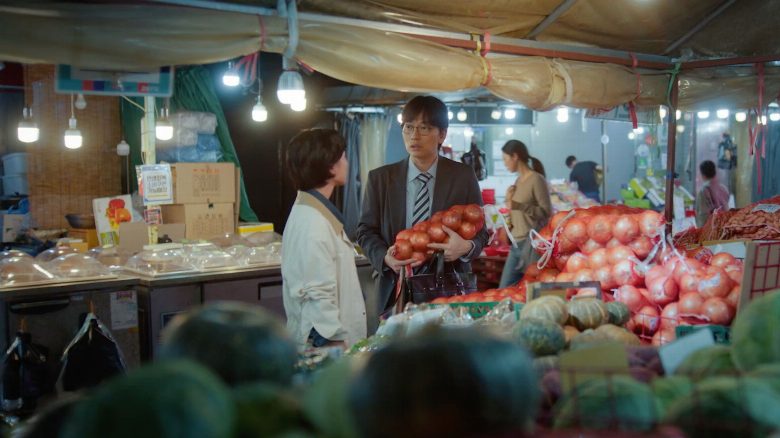
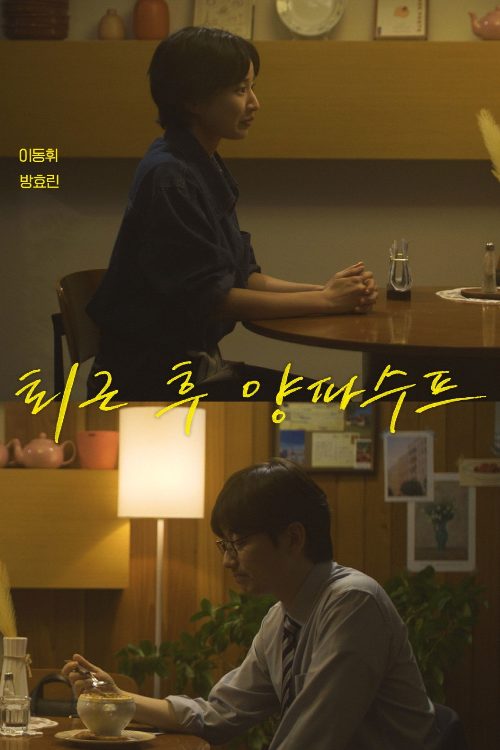
A story of the push and pull of a middle-aged man and a chef trying to figure out why onion soup, the only comfort in his weary life, has been removed from the menu.
Stepping away from the high stakes of typical genre cinema, Love Track: Onion Soup After Hours arrives as a meditative exploration of how the smallest rituals define our emotional survival. Director Lee Young-seo crafts a narrative that feels less like a traditional romantic drama and more like a quiet dialogue between two souls anchored by the culinary arts. The film centers on a man whose daily routine is shattered when his favorite dish vanishes from a local restaurant, an event that serves as the catalyst for an unexpected connection with the chef behind the stove. While the premise may sound modest, it captures a specific kind of urban loneliness that resonates deeply with modern audiences, mirroring the introspective storytelling currently trending in global independent cinema.
This Korean production stands out for its deliberate pacing and its commitment to the texture of everyday life, qualities that often draw comparisons to the nuanced character studies emerging from the contemporary South Korean scene. Lee Dong-hwi brings a weary, grounded presence to the lead, perfectly embodying the fatigue of middle age, while Bang Hyo-rin provides a sharp, culinary-focused contrast that keeps the power dynamic between the two leads constantly shifting. By focusing on the significance of a single menu item, the film highlights the profound ways in which food functions as a language of intimacy and loss. It avoids the melodramatic pitfalls of its predecessors, choosing instead to linger on the atmosphere of quiet kitchens and dimly lit streets.
Viewers who enjoy films that prioritize mood and subtext over explosive plot twists will find much to admire here. It is a work for those who appreciate cinema that mirrors the rhythms of real life, where the most important conversations often happen in the margins of a busy day. As the story unfolds, it invites the audience to consider how we seek solace in the mundane and how those choices eventually lead us to the people we need most. Given the director’s reputation for capturing the subtle complexities of human behavior, this film appears to be a sophisticated addition to the romantic drama landscape, offering a refreshing departure from the conventional narratives that typically dominate international screens. Whether you are a fan of character-driven dramas or simply appreciate a well-told story about the intersections of appetite and affection, this film provides a thoughtful look at the human condition.