About Master Hui Neng
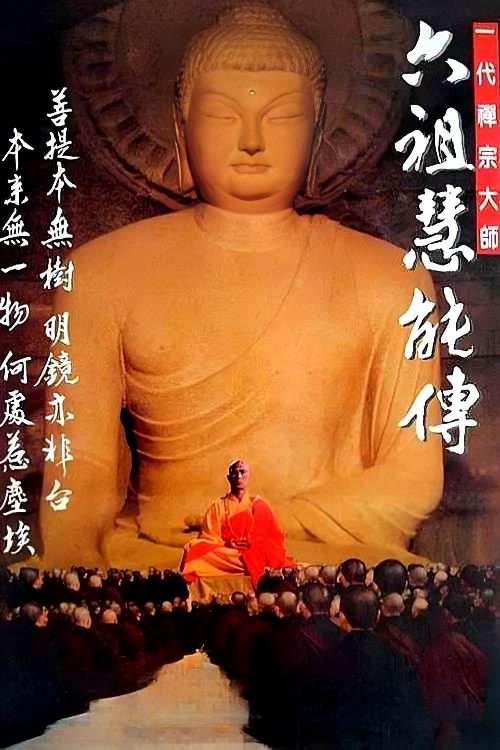
Taiwanese historical drama about the Buddhist monk Huineng.
Few cinematic endeavors manage to bridge the gap between rigorous historical biography and the meditative essence of Zen philosophy quite like the 1987 feature Master Hui Neng. While global audiences often associate the eighties with high-octane action or sweeping romantic epics, this Taiwanese production opted for a quieter, more introspective path. By centering its narrative on the life of the legendary Sixth Patriarch of Chan Buddhism, the film invites viewers into a world of profound spiritual awakening and the internal conflicts that accompany enlightenment. It serves as a fascinating relic of a period when regional filmmakers were increasingly turning their cameras toward the foundational figures of Eastern thought to explore identity and cultural heritage.
The film distinguishes itself by focusing on the transformative journey of its protagonist, moving away from the typical grandiosity found in historical biopics to instead emphasize the simplicity of monastic life and the pursuit of wisdom. Lung Sihung delivers a performance that anchors the narrative, portraying the monk with a grounded gravity that feels both authentic and deeply human. For viewers familiar with the current landscape of Indian cinema, where mythological and historical narratives are frequently reimagined through the lens of modern spectacle, Master Hui Neng offers a striking contrast. It provides a masterclass in how to treat a revered figure with reverence while still maintaining a compelling dramatic arc. This is not a film designed for those seeking rapid pacing or explosive conflict, but rather for those who appreciate the slow-burn intensity of character-driven storytelling.
As international interest in historical dramas continues to grow, this work remains a vital touchstone for understanding the evolution of the genre within East Asian cinema. It captures a specific moment in time when the industry sought to preserve the legacy of philosophical icons, ensuring their teachings remained accessible to a wider audience. Those who have explored the works of directors who prioritize atmosphere and cultural depth will find much to admire here. The film acts as a meditative bridge, connecting the historical reality of the Tang Dynasty to the contemporary viewer, urging us to consider the timeless nature of the questions Hui Neng sought to answer. By stripping away the unnecessary artifice of traditional period dramas, the production succeeds in becoming a timeless meditation on the nature of truth and the human spirit, making it an essential watch for any student of global cinema history.