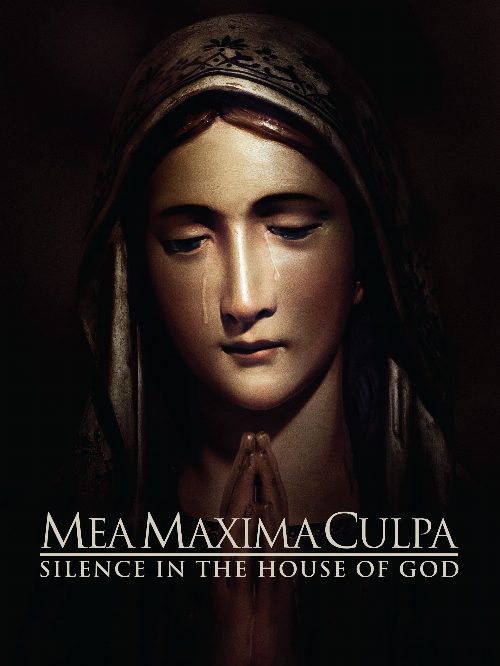
Mea Maxima Culpa: Silence in the House of God(2012)
About Mea Maxima Culpa: Silence in the House of God
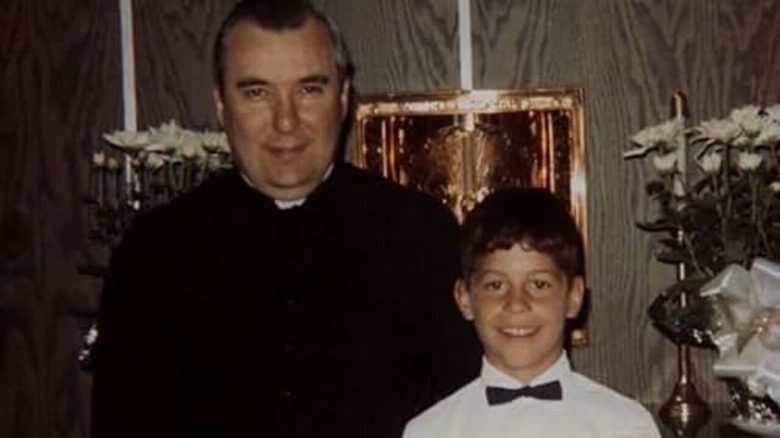
Alex Gibney explores the charged issue of pedophilia in the Catholic Church, following a trail from the first known protest against clerical sexual abuse in the United States and all way to the Vatican.
Few documentary filmmakers possess the analytical rigor of Alex Gibney, whose investigative lens often dissects the architecture of institutional corruption with unflinching precision. In Mea Maxima Culpa Silence in the House of God, the director turns his attention to the systemic obfuscation surrounding clerical abuse, constructing a narrative that functions as both a historical record and a searing indictment. By tracing the origins of early resistance against predatory behavior within the American Catholic Church, the film maps a disturbing geography of power that stretches from local parishes all the way to the upper echelons of the Vatican. It is a harrowing examination of how silence was weaponized to protect an institution at the expense of its most vulnerable members, moving beyond mere headlines to uncover the bureaucratic mechanisms of cover-ups.
For viewers accustomed to the high-stakes investigative dramas often celebrated in contemporary Indian cinema, this documentary offers a comparable intensity, albeit rooted in the sober reality of institutional accountability. While industries like Tollywood or Bollywood frequently explore themes of systemic injustice through stylized narratives, this project remains firmly anchored in the sobering tradition of advocacy journalism. The film employs a sophisticated structure, utilizing testimonies and archival evidence to build its case, which makes it particularly compelling for audiences who appreciate deep-dive nonfiction that challenges their perception of global organizations. It stands as a testament to the endurance of survivors who dared to speak out when the entire weight of a global hierarchy was designed to keep them quiet.
The relevance of this work remains undiminished more than a decade after its release, as it continues to serve as a foundational text for those interested in the ethics of power. Gibney does not merely present facts; he invites the audience to confront the heavy burden of complicity that often accompanies institutional loyalty. Those who follow the work of actors like Chris Cooper or Ethan Hawke, who contribute their voices to the project, will find their involvement adds a layer of solemnity that elevates the storytelling. Whether you are a dedicated follower of investigative cinema or simply curious about how hidden truths eventually find their way to the light, this film provides an essential look at a dark chapter of history that refused to stay buried. It is a mandatory viewing experience for anyone who values transparency and believes that the truth, no matter how deeply suppressed, eventually demands to be heard.
Cast(8)