About Missing
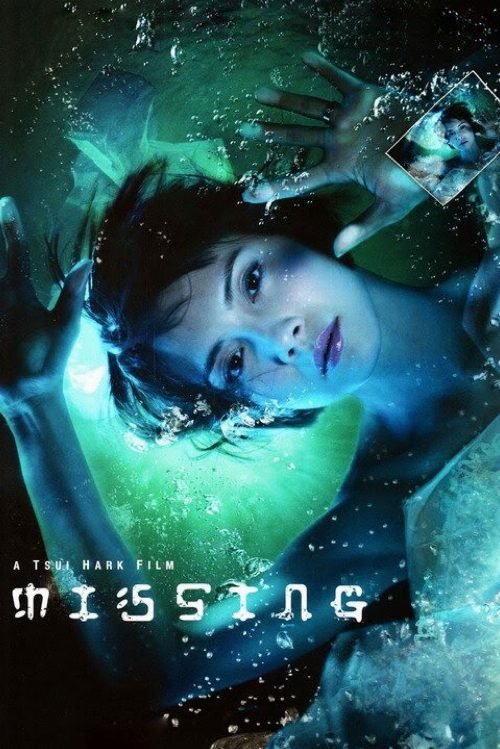
A man with plans to propose to his girlfriend hides an engagement ring in the ancient underwater ruins off Japan's Yonaguni Island. When he goes missing she must investigate and remember what happened.
The haunting pull of the deep sea often serves as a metaphor for the secrets we bury, a thematic current that director Tsui Hark explores with chilling precision in the 2008 thriller Missing. While contemporary Asian cinema frequently leans into aggressive jump scares, this film opts for a more atmospheric, existential dread that blends the boundaries between a desperate romantic search and a descent into the supernatural. By setting the narrative against the backdrop of the enigmatic Yonaguni monument, the production transforms a standard mystery into a visual meditation on the fragility of memory and the obsession that follows an unexplained disappearance. It is a striking entry in the Hong Kong genre landscape, standing apart from the era’s more action-heavy offerings by grounding its fantasy elements in a deeply human sense of grief.
The film finds its emotional anchor in a cast that skillfully balances the tension of a procedural investigation with the surreal manifestations of a psychological breakdown. Angelica Lee Sin-Jie delivers a performance that demands empathy, effectively grounding the audience as she navigates a reality that seems to be fracturing around her. Her journey is not merely about locating a lost partner but about confronting the terrifying possibility that some depths are never meant to be breached. For viewers who appreciate the slow-burn suspense found in classic regional horror or the cerebral mystery style often seen in experimental thrillers, Missing offers a distinct experience. It eschews the frantic pacing of typical creature features for a more deliberate, almost hypnotic exploration of what occurs when an ordinary life is suddenly eclipsed by the unknown.
This work serves as a fascinating relic of a period when regional filmmakers were pushing the aesthetic limits of the thriller genre. Tsui Hark, known for his dynamic visual language, manages to imbue the underwater sequences with a sense of isolation that feels both vast and claustrophobic. The film is tailored for an audience that enjoys narratives requiring active participation, where the line between psychological projection and external supernatural forces remains intentionally blurred until the final act. By positioning the story within the context of a failed proposal and a vanished future, the movie taps into universal fears about the permanence of loss. It remains a compelling watch for those who prefer their horror served with a side of existential inquiry, proving that the most unsettling mysteries are often the ones we carry within ourselves rather than those hidden beneath the waves.
Cast(35)