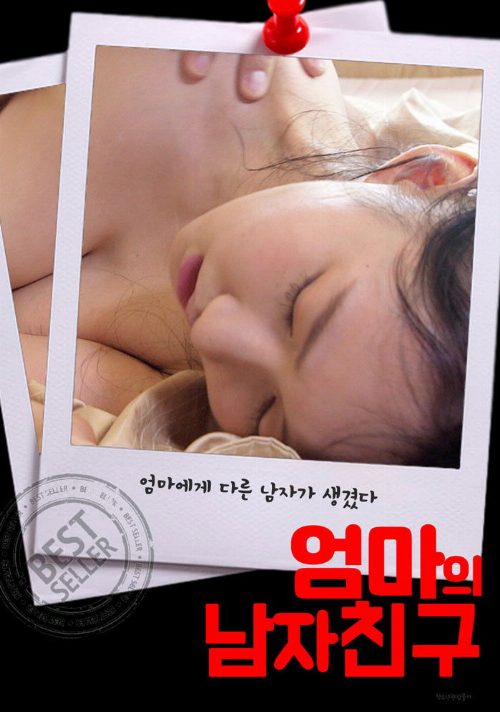
About Mom's Boyfriend
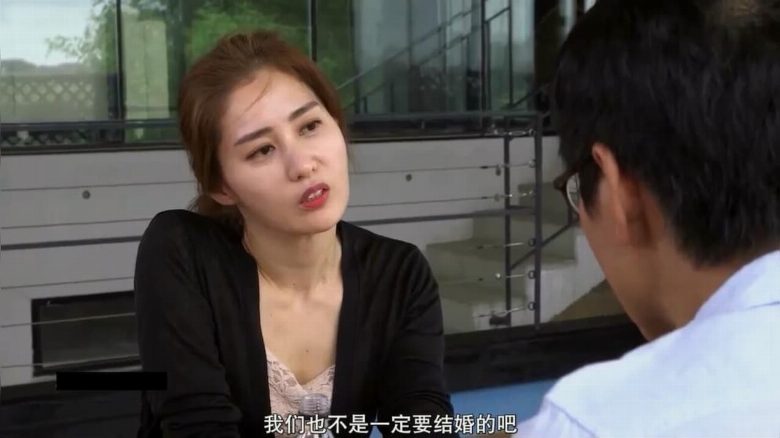
Joo-yeon and Seok-jun are preparing to remarry. Jung-yeon's daughter, Yoon-jung and Seok-jun's son, Jung-woo, are also in love. Yoon Jung and Jung Woo also promised marriage. Jung-woo falls in love with Yoon Jung's mother. I worry about Yoon Jung and Juyeon. Jeongwoo goes to the main role and confesses, even the affair is done. Seok-joon becomes estranged from Min-jung, the daughter of Joon-on. Joo-yeon and Seok-jun become friends with each other's son and daughter. Naturally postpone marriage.
Navigating the complex emotional terrain of blended families requires a deft touch, yet Mom's Boyfriend dives headfirst into the messy intersections of desire and domestic obligation. This 2020 Korean production eschews the traditional comforts of the romance genre to explore a tangled web of attraction that tests the boundaries of filial loyalty and adult commitment. At its core, the narrative centers on a couple eager to formalize their relationship, only to find their path blocked by the unexpected romantic entanglements of their own children. By placing the sudden spark between a future step-sibling and his partner's mother at the center of the conflict, the director challenges the audience to reconcile conventional moral expectations with the unpredictable nature of human impulse.
While the film operates within the recognizable framework of contemporary Korean cinema, which often excels at dissecting social structures and interpersonal tension, it distinguishes itself through its willingness to embrace uncomfortable territory. Viewers accustomed to the polished, aspirational dynamics of mainstream melodramas might find this exploration jarring, as it prioritizes psychological friction over neat resolutions. The screenplay functions as a mirror for the anxieties inherent in second chances, highlighting how the pursuit of personal happiness can inadvertently destabilize the lives of those closest to us. Director Kim Seok-man crafts a landscape where the promise of a stable household is constantly undermined by the raw, often inconvenient, feelings of the protagonists.
This project is best suited for audiences who appreciate character-driven stories that favor internal conflict over grand cinematic spectacle. Because the film relies heavily on the shifting dynamics between its ensemble cast, it offers a stark departure from the high-concept thrillers or historical epics that frequently dominate global markets. The performances by Lee Sun-joo-II and Kang Min-woo are integral to maintaining the delicate balance of the story, as they must convey both the frustration of their thwarted plans and the weight of their complicated positions. For those looking to delve into the nuances of modern Korean romantic dramas, this film serves as an intriguing, if provocative, case study in how domestic aspirations often collide with the realities of human fallibility. It remains a notable entry for those who prefer their cinema to ask difficult questions rather than provide easy answers.