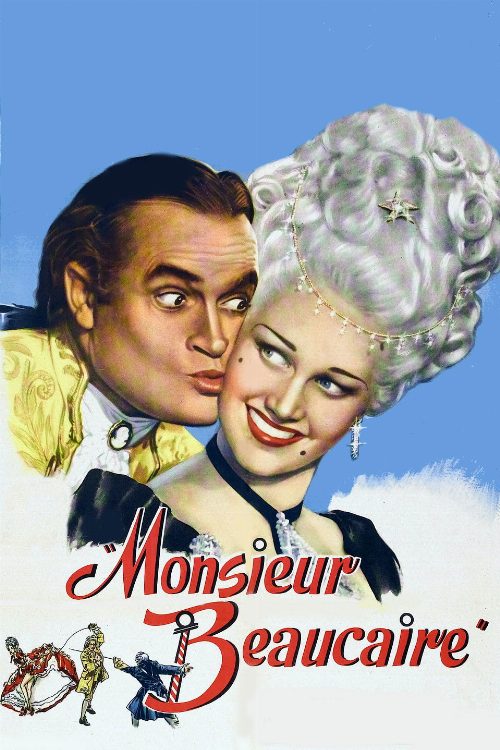
Monsieur Beaucaire(1946)
About Monsieur Beaucaire
A bumbling barber in the court of King Louis XV becomes engaged in political intrigue when he masquerades as a dashing nobleman engaged to the princess of Spain.
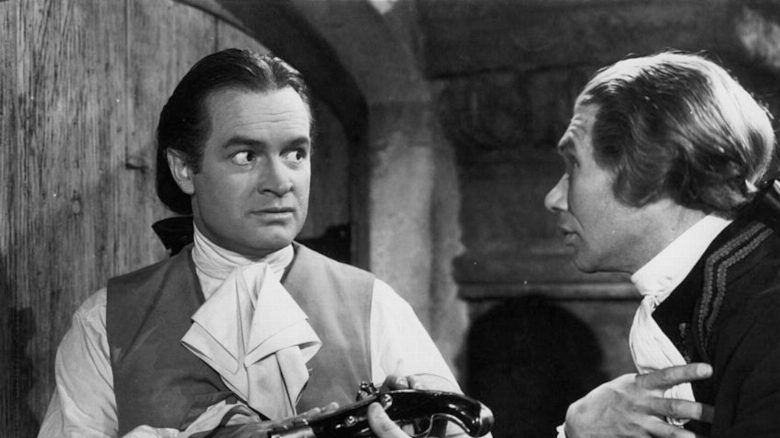
Long before the modern era of high-concept Hollywood comedies, Bob Hope mastered the art of playing the fish out of water with a charm that few could replicate. In Monsieur Beaucaire, the legendary comedian steps into the opulent, powdered wig world of eighteenth-century France, trading his usual urban sarcasm for the precarious life of a courtly imposter. This 1946 production serves as a prime example of the classic period satire, where the absurdity of the protagonist is heightened by the rigid formality of royal life. While today's audiences might be more accustomed to the grit of neo-noir or the spectacle of pan-Indian blockbusters, there is a timeless, rhythmic wit here that reminds us why Hope remained a cornerstone of global entertainment for decades.
The premise hinges on a simple barber who finds himself entangled in a web of royal deception, forced to adopt the persona of a sophisticated aristocrat to survive the perilous whims of King Louis XV. This narrative choice provides a fascinating study in contrast, pitting the commoner’s pragmatic desperation against the extravagant, often hollow, posturing of the nobility. For fans of Indian cinema who appreciate the vibrant genre-blending found in the works of directors like Priyadarshan or the lighthearted historical romps often seen in Telugu or Hindi period pieces, this film offers a similar sense of escapist joy. It manages to balance slapstick humor with a genuine sense of romantic stakes, creating a viewing experience that feels both lighthearted and meticulously crafted.
Viewers who enjoy character-driven humor will find plenty to admire in the way the performance anchors the absurdity of the plot. Joan Caulfield holds her own against the rapid-fire comedic delivery, ensuring the romantic subplot feels earned rather than merely functional. This film is an ideal selection for those who appreciate the evolution of comedy, specifically the transition from vaudevillian roots to the polished studio system aesthetics of the mid-forties. By leaning into the archetypal tropes of royal intrigue and subverting them through the lens of a bumbling outsider, the film carves out a distinct niche that feels surprisingly relevant for any cinephile interested in the history of international popular cinema. It remains a polished, witty, and expertly paced piece of studio-era filmmaking that continues to charm new generations of audiences who appreciate a clever script paired with star-driven charisma.
Cast(24)