
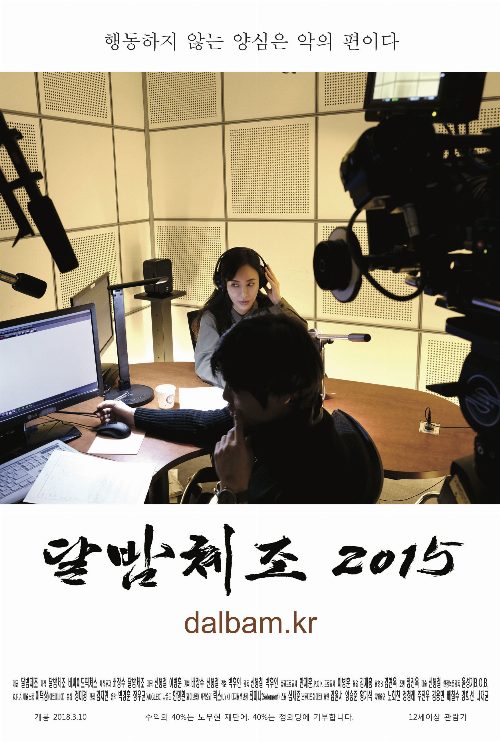
About Moonlight Gymnastics 2015
The cinematic landscape of South Korea has long been celebrated for its ability to blend stark social observation with deeply personal character studies, a tradition that Shin Bong-chul continues with his 2018 drama Moonlight Gymnastics. While many contemporary Korean exports favor high-octane thrillers or glossy romantic comedies, this film chooses a quieter, more contemplative path. It invites the audience into a space where physical discipline serves as a poignant metaphor for the internal struggles of its protagonists. By focusing on the intersection of human fragility and the rigorous demands of movement, the director crafts a narrative that feels both intimate and expansive, distancing itself from the tropes of typical sports-centered dramas to explore the nuances of artistic dedication.
The narrative architecture relies heavily on the performances of Shin Min-chul and Joo Jin-woo, who anchor the film with a grounded intensity that feels remarkably authentic. Their collaboration with the supporting cast highlights a collective effort to portray the complexities of brotherhood and personal ambition. For those who appreciate the slower, more deliberate pacing found in the works of master auteurs like Lee Chang-dong, this feature offers a similar intellectual reward. It is not merely a story about the mechanics of the body but a rigorous inquiry into what drives individuals to pursue excellence when the spotlight is dim and the path ahead is uncertain. The film captures a distinct cultural preoccupation with the pressure to perform, reflecting a broader societal dialogue within the Korean peninsula about individual worth versus collective expectation.
Viewers who enjoy character-driven explorations of identity will find much to admire in the film’s visual language, which often emphasizes the isolation inherent in high-stakes training. Shin Bong-chul demonstrates a keen eye for how light and shadow can manipulate the audience’s perception of a character’s emotional state, turning a simple training room into a theater of psychological revelation. It is an essential watch for international cinema enthusiasts who seek to understand the quieter, more reflective side of the South Korean industry, away from the spectacle of blockbuster genre fare. By stripping away the noise of modern life, Moonlight Gymnastics demands that the viewer pay close attention to the smallest gestures, proving that silence is often more communicative than dialogue in the hands of a capable filmmaker. This is a work for the thoughtful viewer, one who finds beauty in the unseen struggles that define a lifetime of persistence.