About New Year Sacrifice
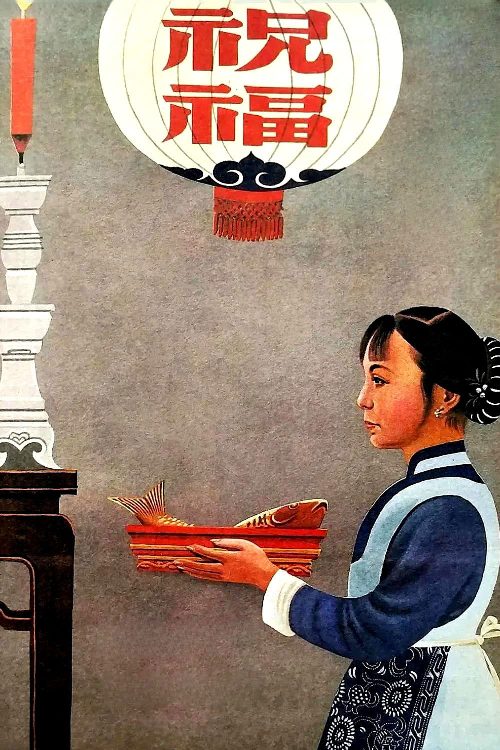
In a mountain hamlet in eastern China, a poor woman faces trial after trial. Sold into marriage as a child, she is left a young widow and enslaved by her mother-in-law, who sells her to a poor peasant. Her second marriage turns out to be happy until fate takes away her husband and son. Now seen as a bearer of bad luck, she becomes a social outcast.
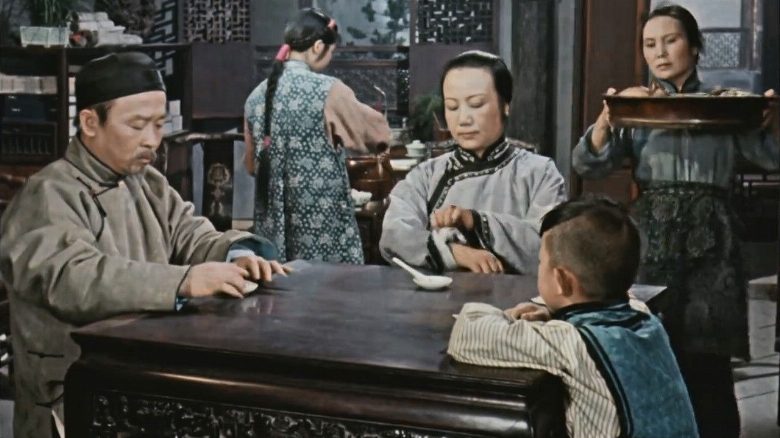
The landscape of mid-twentieth-century Chinese cinema remains a fascinating touchstone for global audiences who appreciate the profound intersection of social critique and traditional folklore. Sang Hu directed New Year Sacrifice in 1956, a period that serves as a vital bridge between the pre-revolutionary narrative style and the evolving aesthetics of the mainland film industry. By focusing on the relentless hardships faced by a resilient woman trapped within the rigid hierarchies of her rural community, the film functions as a stark indictment of the feudal customs that once dominated the region. Much like the intense emotional resonance found in the golden age of parallel cinema across India, this production prioritizes human suffering as a vehicle for systemic interrogation, grounding its grand themes in the tactile reality of village life.
The narrative follows a protagonist whose existence is perpetually defined by the expectations of others, tracing her path from a forced childhood union to the tragic loss of a second husband and child. Her transformation into a pariah, viewed by neighbors as a harbinger of misfortune, provides a gripping look at how superstition can be weaponized to marginalize the vulnerable. For viewers drawn to the gritty, character-driven dramas that define the best of Tamil or Malayalam art-house cinema, this film offers a similar depth of character study. It eschews superficial thrills in favor of a slow-burning exploration of existential dread and the indifference of a society that refuses to grant its most downtrodden members even a shred of dignity.
The brilliance of the film lies in how it frames personal tragedy against the backdrop of changing seasons and shifting cultural tides. It is essential viewing for cinephiles interested in the historical trajectory of Asian drama, particularly those who admire the way directors like Sang Hu utilized minimalist storytelling to highlight maximalist social issues. The lead performances are characterized by a quiet intensity that captures the weariness of a life defined by systemic abuse. By avoiding sentimentality, the film ensures that the audience remains focused on the structural injustices rather than just the individual misfortune. It stands as a timeless reminder of how cinema can serve as both a mirror to the past and a challenge to the norms that continue to shape human interaction in rural settings across the globe.
Cast(19)