About Noise
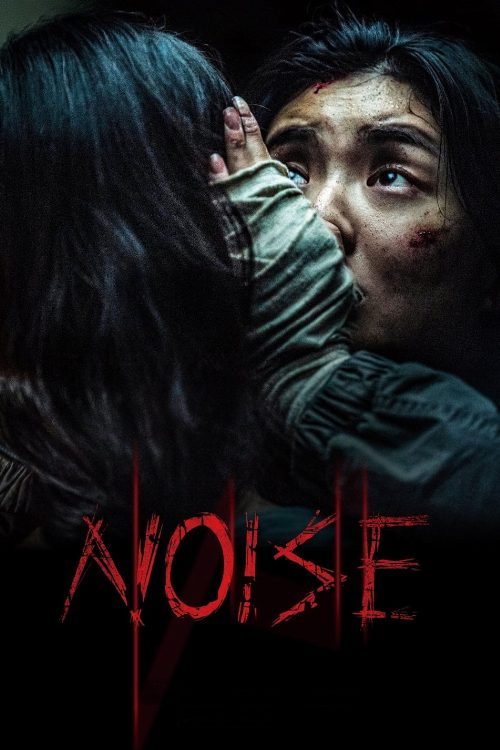
Ju-young is a young woman with a hearing impediment who decides to investigate her sister's inexplicable disappearance, last seen in her apartment. Feeling more and more cornered, Ju-young begins to hear strange sounds and sense an evil presence in the apartment.
The landscape of contemporary psychological horror has long been defined by the tactile nature of sensory deprivation, and the 2025 Korean thriller Noise pushes this trope into unsettling new territory. By focusing on a protagonist navigating a world where traditional communication is secondary to a heightened awareness of vibrations and environmental shifts, the film crafts a claustrophobic atmosphere that feels distinct from the usual jump-scare heavy entries in the genre. This narrative choice serves as a powerful metaphor for isolation, forcing the audience to experience the protagonist’s vulnerability as she traverses a residential space that transforms from a sanctuary into a labyrinth of hidden malice. It is a bold departure for the production team, prioritizing tension that builds through silence rather than cacophony.
While South Korean cinema continues to dominate global streaming platforms with high-concept genre fare, Noise distinguishes itself by stripping away the grand scale of urban paranoia to focus on a singular, domestic mystery. The film follows a young woman searching for her missing sibling, a setup that echoes the procedural roots of classic investigative thrillers, yet it pivots sharply into supernatural dread once she enters her sister’s former living quarters. The casting of Lee Sun-bin adds a layer of grounded intensity to the project, as her performance anchors the abstract terrors of the apartment in a very human struggle for answers. The director leverages this premise to explore the fragility of trust and the unseen threats that lurk within the thin walls of modern high-rise living.
This film is a must-watch for fans of atmospheric horror who appreciate films that prioritize dread over gore. It functions as a masterclass in sound design, utilizing the protagonist’s unique perspective to manipulate the audience’s expectations of what is real versus what is imagined. Viewers who enjoyed the psychological unraveling found in recent breakout Korean hits will find this entry particularly compelling, as it maintains a relentless pace without relying on over-explained exposition. By the time the mystery deepens, the viewer is left questioning the sanctity of their own home, proving that the most effective horror often stems from the places where we feel the most secure. It is a chilling addition to the 2025 slate, signaling a sophisticated evolution in how filmmakers approach the intersection of disability, perception, and the unknown.
Cast(12)