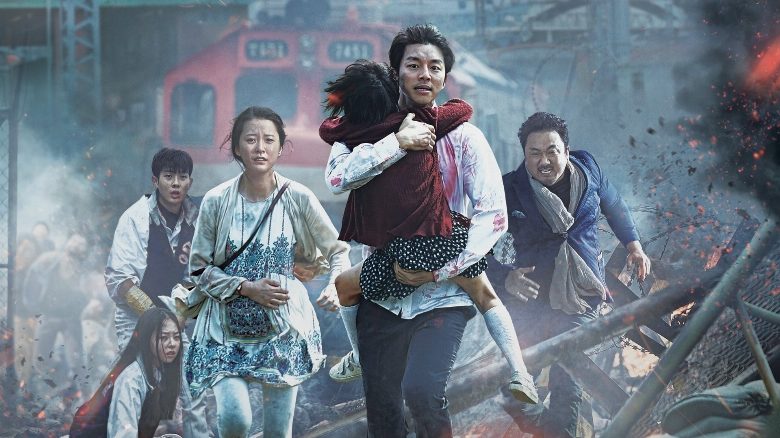

About Train to Busan
When a zombie virus pushes Korea into a state of emergency, those trapped on an express train to Busan must fight for their own survival.
Few cinematic experiences manage to weaponize the claustrophobia of public transit quite like this South Korean masterpiece, a film that redefined the global perception of the undead genre. While many zombie narratives focus on the desolate ruins of a fallen society, this story keeps the stakes brutally intimate by trapping its cast within the high-speed corridors of a locomotive. It functions as a masterclass in tension, utilizing the limited geography of train carriages to force characters into impossible moral dilemmas. The film does not merely rely on jump scares or gore; instead, it leans heavily into social commentary, highlighting the stark class divides and human selfishness that often surface when the thin veneer of civilization is stripped away. For viewers accustomed to the emotional depth of contemporary South Indian cinema, where high-octane action is frequently paired with poignant family dynamics, this film will feel remarkably familiar yet terrifyingly fresh.
The narrative anchor of the film is the transformation of a cynical workaholic father, played by Gong Yoo, who must learn to prioritize his young daughter over his own survival as the world descends into chaos. His arc is complemented by the rugged, selfless charisma of Ma Dong-seok, an actor whose presence provides a grounded, visceral physicality that fans of Telugu and Tamil action stars will instantly appreciate. Their journey captures a specific kind of regional anxiety, reflecting a societal preoccupation with competitive success and the systemic failures that can leave individuals isolated during times of crisis. It is a rare genre piece that manages to be both a relentless adrenaline rush and a devastating character study, ensuring that the audience feels every loss as deeply as every narrow escape.
This production is essential viewing for anyone who enjoys high-concept thrillers that prioritize character development alongside spectacular set pieces. It sits comfortably alongside the best of modern Asian cinema, proving that a localized setting can carry universal resonance when executed with such technical precision. For those who admire the craft of directors who can balance grand scale with quiet, personal moments, this film stands as a benchmark for how to revitalize a tired trope. Whether you are a dedicated horror enthusiast or simply a fan of intense, character-driven storytelling, this voyage remains one of the most compelling examples of how to turn a simple premise into an unforgettable cinematic event that lingers in the mind long after the final credits roll.
Cast(37)