The Good, the Bad, the Weird(2008)
About The Good, the Bad, the Weird
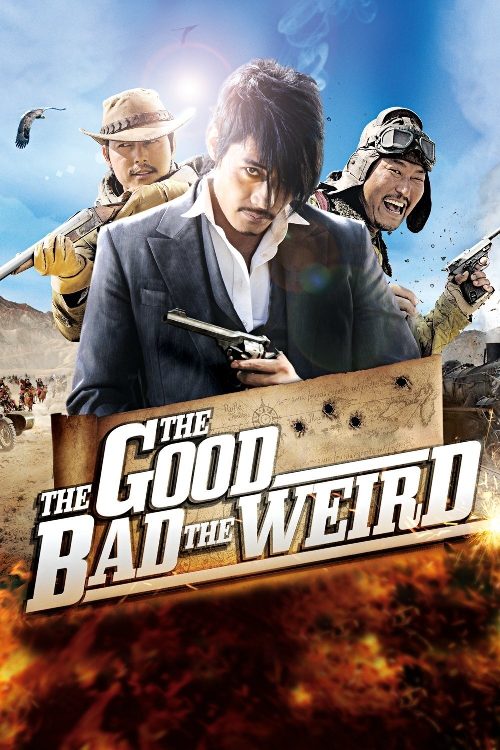
The story of three Korean outlaws in 1930s Manchuria and their dealings with the Japanese army and Chinese and Russian bandits. The Good (a bounty hunter), the Bad (a hitman), and the Weird (a thief) battle the army and the bandits in a race to use a treasure map to uncover the riches of legend.
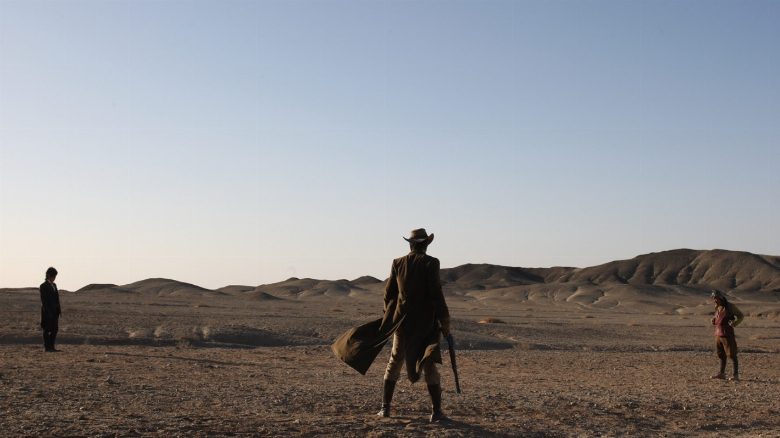
Kim Jee-woon delivers a masterclass in kinetic filmmaking with this reimagining of the spaghetti western genre, transplanted into the rugged, lawless landscape of 1930s Manchuria. While global audiences often associate the western with the American frontier, this Korean production breathes new life into the archetype by injecting it with a frantic, localized energy that feels both reverent to the classics and entirely singular. The film follows a collision course between three distinct criminals, each defined by their own moral alignment, as they navigate a volatile political climate involving imperial forces and local gangs. By shifting the setting to the colonial-era borderlands, the narrative captures a sense of historical displacement that elevates the action beyond a mere stylistic exercise, grounding the spectacle in a world where survival is the only currency that matters.
The casting is a significant draw, featuring an extraordinary trio of performers who bring immense charisma to their respective archetypes. Song Kang-ho, known for his ability to blend pathos with physical comedy, finds a perfect foil in the sleek intensity of Lee Byung-hun and the stoic, heroic presence of Jung Woo-sung. Their interactions provide a rhythmic push and pull that keeps the high-octane sequences engaging even when the bullets are flying in every direction. For fans of contemporary Asian cinema, this project serves as a bridge between the gritty revenge thrillers that dominate the industry and the grand, scale-heavy epics that require massive logistical coordination. It occupies a unique space, catering to viewers who appreciate meticulously choreographed stunts mixed with a playful disregard for traditional genre boundaries.
What makes this film endure as a standout entry in the adventure category is its commitment to visual maximalism. The cinematography captures the vast, unforgiving plains with a scope that demands a large screen, ensuring that the chase sequences feel visceral rather than merely technical. It is a quintessential crowd-pleaser that manages to balance intricate character dynamics with explosive set pieces. Whether one is a devotee of classic international cinema or simply someone who enjoys a fast-paced romp through a dusty, dangerous wilderness, the film offers a rare combination of style and substance. It proves that the universal language of the western is not bound by geography, but by the timeless appeal of flawed characters chasing a fortune that may or may not be worth the cost of their lives.
Cast(95)