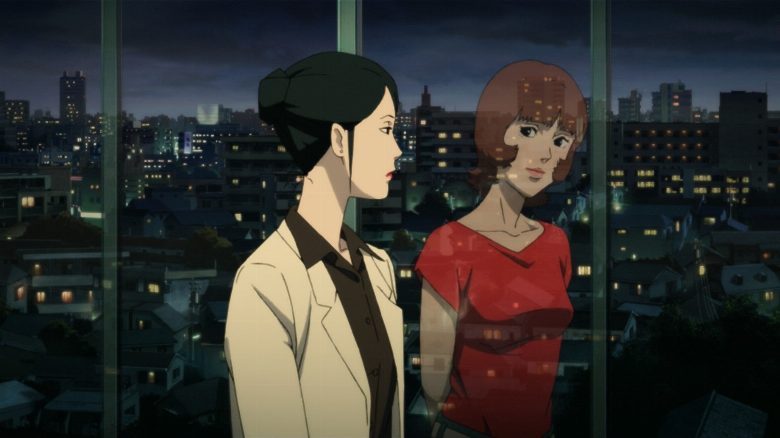

About Paprika
When a machine that allows therapists to enter their patient's dreams is stolen, all hell breaks loose. Only a young female therapist can stop it and recover it before damage is done: Paprika.
Satoshi Kon occupies a singular space in the history of world animation, crafting narratives that blur the boundary between objective reality and the fractured landscape of the subconscious. His final feature film remains a dizzying exploration of how technology might one day bridge the gap between human psyches. By centering the story on a revolutionary device designed to facilitate dream therapy, the film positions itself as a high-stakes psychological thriller that demands total viewer engagement. It stands as a pinnacle of the medium, utilizing vibrant colors and fluid transitions to manifest the chaotic, logic-defying nature of the sleeping mind in a way that live-action cinema would struggle to replicate.
For audiences familiar with the current wave of cerebral science fiction coming out of global markets, including the experimental storytelling often found in contemporary Tamil and Malayalam cinema, this film offers a masterclass in visual storytelling. It avoids the traditional tropes of the genre by focusing on the erosion of boundaries rather than simple technological villainy. The narrative follows a dedicated therapist who navigates the digital dreamscape to track down a stolen prototype, a premise that effectively mirrors the investigative intensity seen in modern noir thrillers. Its influence on later blockbusters is undeniable, yet the original work retains a unique, surrealist energy that feels just as provocative today as it did upon its initial release.
Viewers who enjoy films that challenge their perception of linear time and stable identity will find much to admire here. It is an ideal choice for those who appreciate the intersection of high-concept philosophy and kinetic, imaginative animation. Because the plot moves with such relentless velocity, it rewards repeat viewings, revealing layers of symbolism that are easily missed during a first encounter. While the film originates from Japan, its exploration of the human psyche and the dangers of unchecked innovation speaks to universal anxieties. Anyone interested in the evolution of science fiction as a vehicle for examining the fragility of the self should consider this an essential addition to their viewing list. Satoshi Kon was a visionary director who never shied away from the discomfort of the human experience, and this work remains his most dazzling, disorienting, and ultimately profound contribution to the world of film.
Cast(29)