
About Pictures of Hollis Woods
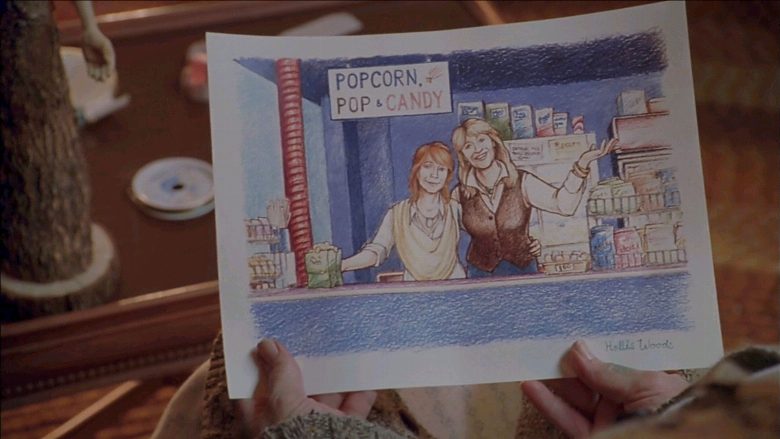
After running away from her last foster placement with the Regan family, twelve year old Hollis Woods is placed with a new foster mother, the loving, retired art teacher, Josie Cahill.
Navigating the delicate architecture of a childs longing for belonging, Pictures of Hollis Woods stands as a poignant exploration of the transient nature of home. While contemporary global cinema often leans into spectacle, this 2007 television drama opts for a quiet, introspective study of a young protagonist caught in the revolving door of the foster care system. The narrative centers on a twelve year old girl who carries the weight of past rejections, using her artistic talent as both a shield and a bridge to connect with the world around her. By focusing on the bond formed between a troubled youth and a retired educator, the film sidesteps melodramatic tropes in favor of a nuanced examination of memory and the redemptive power of creative expression.
In the current landscape of Indian cinema, where regional industries like the Malayalam or Telugu film sectors are increasingly celebrated for their grounded, emotionally resonant storytelling, this film serves as an excellent reference point for those who appreciate character driven narratives. Much like the best of world cinema that explores the fragility of human connections, the story highlights how external circumstances often fail to define a person when they have a medium to project their inner reality. Viewers who gravitate toward films that prioritize visual storytelling and internal growth over high octane action will find this journey deeply affecting. It is a work that values the small, observational details of daily life, mirroring the sensitivity found in acclaimed independent dramas that emphasize empathy above all else.
The film serves as a testament to the importance of mentorship and the healing capacity of art, positioning itself as a must watch for audiences who enjoy stories about unlikely friendships. Its strength lies in the portrayal of the artistic process as a survival mechanism, suggesting that even when the physical world feels unstable, one can sketch their own sanctuary. For followers of nuanced drama, the interplay between the lead characters creates a space where silence speaks as loudly as dialogue. By grounding its premise in the universal search for stability, the film transcends its original television format to offer a timeless reflection on what it truly means to be part of a family, making it a compelling choice for those seeking a thoughtful cinematic experience that lingers in the mind long after the final frame.