About Pillars of the Sky
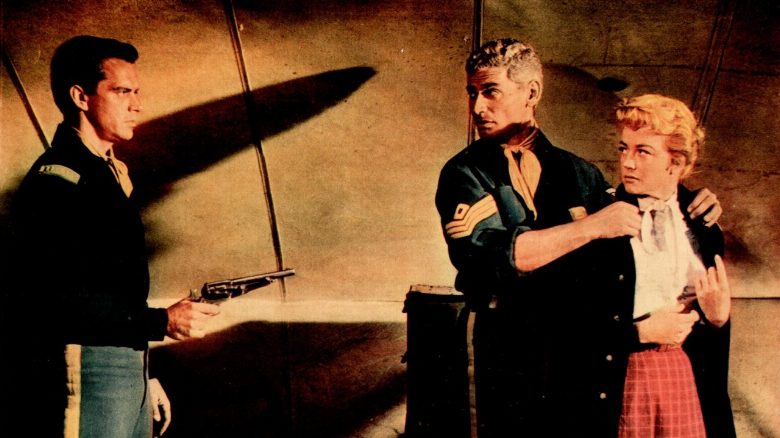
First Sergeant Emmett Bell faces off with Apache chieftain Kamiakin in this nuanced portrayal of racial tensions between Native Americans and white settlers in 1860s Oregon Country.
The sweeping landscapes of the American Pacific Northwest provide a rugged canvas for Pillars of the Sky, a mid-century western that transcends the typical tropes of its era by centering on the precarious balance between indigenous sovereignty and encroaching expansionism. Released in 1956, the film arrives during a transformative decade for the genre, shifting away from simple black-and-white morality tales toward more complex examinations of cultural friction. By focusing on the volatile dynamic between Jeff Chandler’s character and the principled Apache leadership, the narrative avoids the trap of glorifying conquest, instead highlighting the profound human costs when two irreconcilable ways of life collide on disputed territory. For audiences accustomed to the hyper-stylized action of contemporary Indian cinema, where regional epics often explore themes of identity and territorial belonging, this classic serves as a fascinating precursor to the modern historical drama.
The production distinguishes itself through its atmospheric commitment to the Oregon wilderness, utilizing the natural environment to mirror the internal turmoil of its protagonists. Keith Andes and Dorothy Malone deliver performances that anchor the central conflict, grounding the grand geopolitical stakes in personal stakes and emotional vulnerability. Lee Marvin, appearing in an early role that hinted at his future mastery of the screen, brings a gritty intensity that elevates the tension, making the inevitable confrontations feel earned rather than forced. It is an ideal viewing experience for those who appreciate the slow-burn psychological depth found in acclaimed character-driven dramas, as the film prioritizes the weight of conscience over the spectacle of gunfire.
Directed with a steady hand, the project reflects a period when Hollywood began to grapple more seriously with the legacy of the frontier, a sentiment that resonates strongly with the current wave of global filmmakers who are increasingly reclaiming indigenous perspectives in their own regional storytelling. Whether you are a dedicated fan of the western genre or a cinephile looking to trace the evolution of multicultural representation on screen, this film offers a rigorous and visually striking case study. It remains a notable entry in the mid-fifties canon, successfully navigating the line between period spectacle and a sober reflection on the fragility of peace. For viewers interested in how cinema frames the clash between legacy and progress, the film remains an essential, thought-provoking bridge between the classic era of westerns and the more nuanced, sociopolitically charged films of the modern age.
Cast(26)