Princess Iron Fan(1927)
About Princess Iron Fan
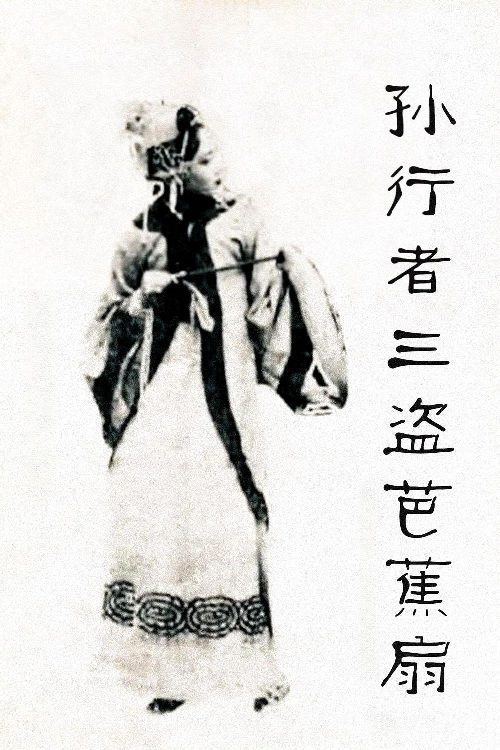
Stepping back into the silent era of Chinese cinema reveals a fascinating bridge between traditional folklore and the emerging medium of moving pictures. Princess Iron Fan, directed by Li Ping-Qian in 1927, serves as a remarkable time capsule that captures how early filmmakers adapted the rich tapestry of classical mythology for a modern audience. While audiences today are accustomed to high-octane visual effects and fast-paced editing, this production relies on the inherent gravity of its source material, drawn from the legendary Journey to the West. It stands out not merely as a historical relic, but as an ambitious attempt to visualize the fantastical elements of eastern literature during a period when the Chinese film industry was still finding its unique voice on the global stage.
The film features a stellar cast including Butterfly Wu, who was one of the most recognizable faces of the era, and her presence adds a layer of prestige that would have drawn massive crowds to urban theaters at the time. By focusing on the conflict involving the titular deity and her magical artifact, the narrative explores themes of power, obstruction, and the tenacity of the traveler, which remain central to the enduring appeal of the Monkey King sagas. For viewers interested in the roots of Asian fantasy cinema, this project offers a rare glimpse into the practical techniques and stage-influenced acting styles that defined the 1920s. It is an essential watch for those who appreciate the evolution of the genre, as it lays the groundwork for the elaborate mythological adaptations that would later become a staple of regional film industries across Asia.
Ultimately, this work is positioned as a testament to the creative ingenuity of early twentieth-century directors who lacked contemporary technology yet possessed an abundance of ambition. Watching it today requires an appreciation for the pacing and sensory language of silent film, where the weight of a gesture or the framing of a landscape conveys as much as any spoken dialogue. It serves as a compelling study for film historians and enthusiasts of Chinese culture alike, offering a window into how ancient stories were reimagined to reflect the concerns and tastes of a burgeoning urban public. While the industry has progressed into the age of digital spectacle, the foundations laid by Li Ping-Qian and his contemporaries continue to resonate, proving that the allure of mythological epic storytelling is a constant force in cinema.