
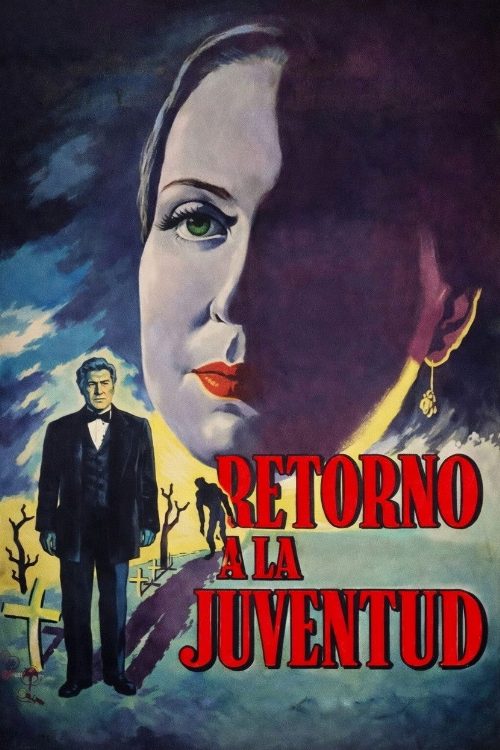
Return to Youth(1954)
About Return to Youth
An old professor in love with one of his students is rejected by her because of his advanced age. He then sells his soul in return for youth and a chance at love but things don't go as he planned.
The haunting allure of the Faustian bargain has long served as a mirror for human vanity, and Return to Youth stands as a quintessential exploration of this timeless cinematic trope within the golden age of Mexican cinema. Released in 1954, the film weaves together elements of gothic mystery and tragic romance to examine the destructive nature of obsession. While audiences accustomed to the high-octane spectacle of contemporary Indian cinema might find the pacing deliberate, there is a profound resonance in its central conflict that mirrors the dramatic intensity found in the emotional gravity of classic Telugu or Malayalam social dramas. By grounding its supernatural premise in the very real, often painful vulnerability of an aging academic, the narrative invites viewers to consider the heavy price of vanity when pitted against the relentless passage of time.
This production captures a specific moment in international film history where genre boundaries were fluid, blending horror motifs with the sweeping emotional stakes typical of romantic tragedies. For fans of world cinema who appreciate how regional industries like those in India use folklore and moral fables to comment on societal values, this film offers a fascinating look at how Latin American directors utilized fantasy as a vehicle for character study. It is not merely a ghost story or a simple cautionary tale; rather, it functions as a psychological portrait of a man whose inability to accept his own mortality leads to a cascading series of unfortunate events. The performances, particularly the work of the lead cast, anchor these fantastical circumstances in a grounded, palpable reality that keeps the stakes feeling intimate rather than abstract.
Those who gravitate toward atmospheric storytelling and character-driven mysteries will likely find this a compelling watch. It is an ideal entry point for viewers interested in how mid-century global cinema tackled themes of desire and regret without the crutch of modern special effects, relying instead on lighting, shadow, and strong acting to build tension. The film remains a relevant piece of history for anyone studying the evolution of the supernatural genre. By stripping away the complexities of life to focus on a singular, desperate wish, the story remains as provocative today as it was decades ago. It serves as a reminder that the most terrifying monsters are often the ones we foster within our own hearts when we refuse to let go of the past.







![[REC] poster](/storage/tmdb/resized/w342/hgyJR4sgMsee6xMFM3xYiG6cDCh.jpg)