
Stars and Stripes Forever(1952)
About Stars and Stripes Forever
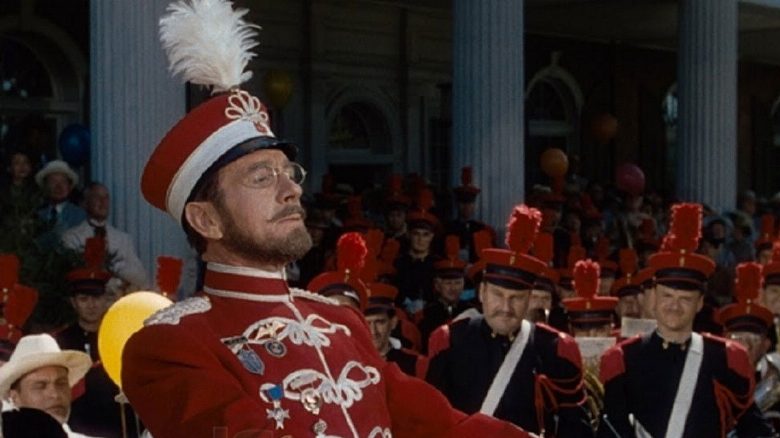
A film biography of the composer John Philip Sousa, from his early days in the Marine Corps Band through the Spanish-American War in 1898.
Stepping back into the golden era of Hollywood, Stars and Stripes Forever captures the rhythmic pulse of American patriotism through the lens of John Philip Sousa, the legendary march king. While contemporary Indian cinema frequently explores the intersection of historical legacy and national identity, this 1952 production offers a fascinating, stylized glimpse into a different kind of cultural icon. By focusing on the life of a man whose compositions became synonymous with the heartbeat of a nation, the film functions less as a dry historical account and more as a vibrant, musical celebration of artistic dedication. The narrative arc gracefully bridges the gap between Sousa’s disciplined beginnings as a leader of the Marine Corps Band and his eventual emergence as a global phenomenon during the turbulent backdrop of the Spanish-American War.
The film distinguishes itself by prioritizing the emotional resonance of orchestral performance over the typical intensity found in modern biographical dramas. For viewers who appreciate the stylistic flourishes of mid-century filmmaking, the presence of Debra Paget adds a layer of classic Hollywood charm that grounds the more bombastic elements of the score. It is a production that invites the audience to consider how music can serve as a catalyst for collective spirit, a theme that resonates deeply with global audiences accustomed to the high-stakes emotional storytelling found in the best Telugu or Hindi musical epics. While it lacks the frenetic pace of current blockbuster trends, its commitment to a singular, triumphant vision of a man and his brass section remains undeniably engaging.
Those who enjoy period dramas that lean into the spectacle of performance will find this a worthwhile exploration of American history. It is positioned as an accessible entry point for those interested in the origins of military music and the personal sacrifices required to achieve such enduring fame. By examining the trajectory of a figure whose influence remains embedded in the cultural consciousness, the story avoids getting bogged down in technical minutiae, opting instead for a sweeping, optimistic portrayal of creative triumph. Whether you are a devotee of vintage cinema or someone intrigued by the evolution of the biopic as a genre, this film provides a polished look at a pivotal era in entertainment, proving that even the most regimented lives can be told with flair, harmony, and a distinct sense of purpose.
Cast(9)