About Sunny
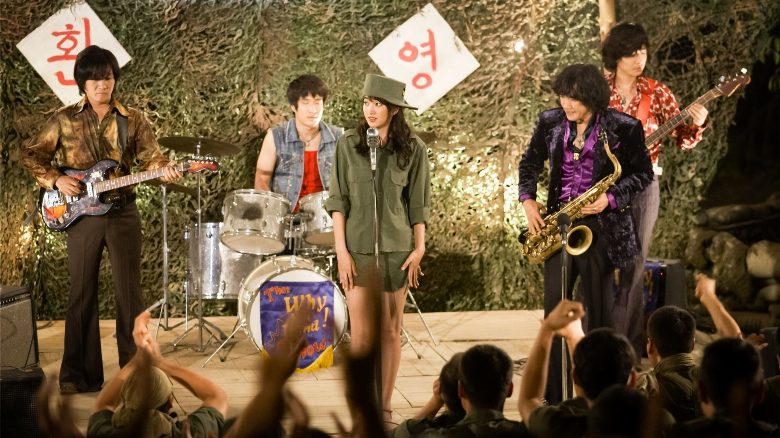
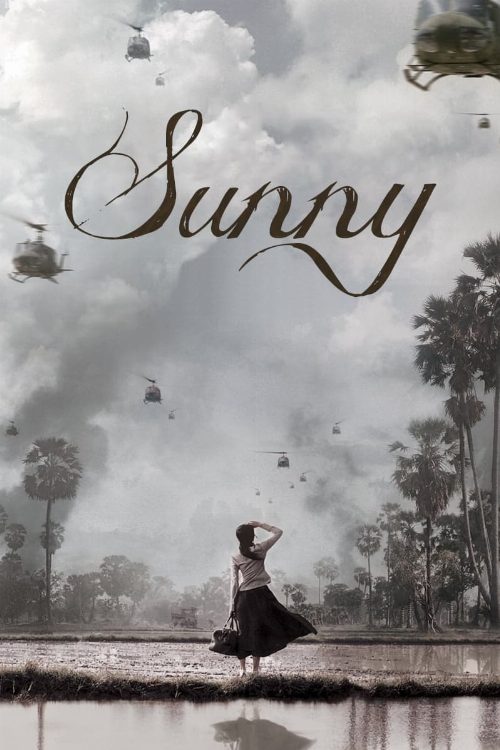
With hopes of reuniting with her husband, who left for the Vietnam War without telling her, a young wife joins a traveling band as the lead singer.
The evocative landscape of late sixties South Korea serves as the backdrop for Sunny, a poignant exploration of longing and the resilience of the human spirit amidst the turbulence of the Vietnam War. Rather than focusing solely on the brutality of the conflict, the film centers its narrative on the personal odyssey of a woman who pivots toward the stage as a means of survival and search. By embedding the story within a touring musical troupe, the director crafts a unique atmospheric contrast between the high-energy performances of a performing ensemble and the quiet, crushing desperation of a spouse left behind. This juxtaposition highlights the complexities of civilian life during a period of national upheaval, positioning the film as a contemplative drama that favors emotional texture over standard battlefield spectacle.
This project arrives as a significant entry in the canon of Korean cinema that examines the societal ripple effects of international military involvement. Viewers who appreciate character-driven storytelling will find much to admire here, as the screenplay leans heavily into the protagonist's inner life and the unlikely bonds she forms with her fellow performers. The performance by Soo Ae is particularly noteworthy, anchoring the film with a grounded intensity that translates the character's internal turmoil into a compelling visual language. For those interested in how music functions as both an escape and a bridge to lost connections, the film offers a sensitive portrayal of how art can sustain individuals through prolonged uncertainty.
While many period dramas prioritize political maneuvers, this feature remains steadfastly focused on the domestic and personal fallout of war. It stands out in the contemporary landscape by prioritizing a singular, intimate perspective that feels both historically grounded and universally resonant. The production design effectively captures the aesthetic of the era, yet it is the underlying tension of the central mystery regarding the husband's departure that keeps the audience engaged. It is an ideal recommendation for fans of introspective dramas who enjoy narratives that blend historical context with deeply individual stakes. By sidestepping the typical tropes of war films, it creates a space for a more nuanced discussion about duty, love, and the sacrifices made in the name of both.
Cast(17)