
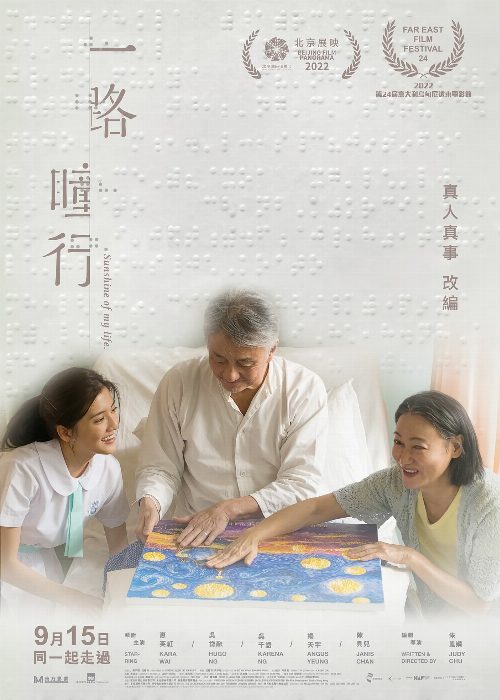
About Sunshine of My Life
The love-hate relationship between a young woman and her blind parents.
Cinema often finds its most resonant chords when exploring the intricate, unspoken tension between parents and their children, and Sunshine of My Life offers a poignant window into this universal dynamic. Set against the backdrop of a household where the primary caregivers are visually impaired, the narrative navigates the delicate balance of love, resentment, and independence that defines the protagonist's coming-of-age journey. Unlike many melodramas that lean heavily into pity or tragedy, this film opts for a more grounded, textured approach to domestic life. It captures the specific logistical hurdles and emotional complexities faced by a sighted daughter growing up in a world shaped by her parents unique sensory reality, framing their bond not merely through the lens of disability, but through the common friction of familial expectations and the desire for self-actualization.
This production stands out as a significant entry in contemporary Hong Kong drama, moving away from the high-octane action or stylized genre fare that often dominates international perceptions of the industry. It reflects a broader trend in regional cinema where filmmakers are increasingly turning their gaze toward intimate, character-driven studies of neurodiversity and physical challenges. Kara Wai Ying-Hung brings a profound gravitas to the screen, grounding the emotional stakes of the story with a performance that avoids caricature, instead highlighting the stubbornness and vulnerability inherent in any long-term partnership. Her presence elevates the material, ensuring that the interplay between the generations feels earned rather than sentimental.
Audiences who gravitate toward slow-burn character studies or films that examine the complexities of caregiving will find much to admire here. It is an ideal watch for viewers who enjoy quiet, observant storytelling where the dialogue carries the weight of years of shared history. By focusing on the nuances of communication—the gestures, the pauses, and the visual cues that are absent or redefined within this family—the film invites the audience to consider how we truly perceive those closest to us. It is a thoughtful exploration of how we define our own identities when we are raised in the shadow of our parents' limitations, making it a compelling addition to any watchlist for those who appreciate the subtle, messy, and ultimately rewarding nature of family life.