About Center Stage
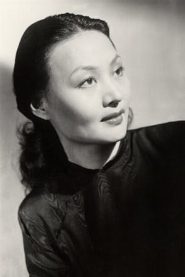
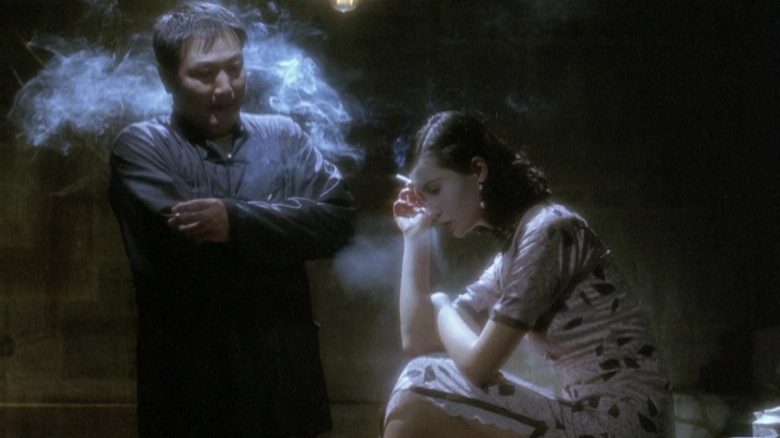
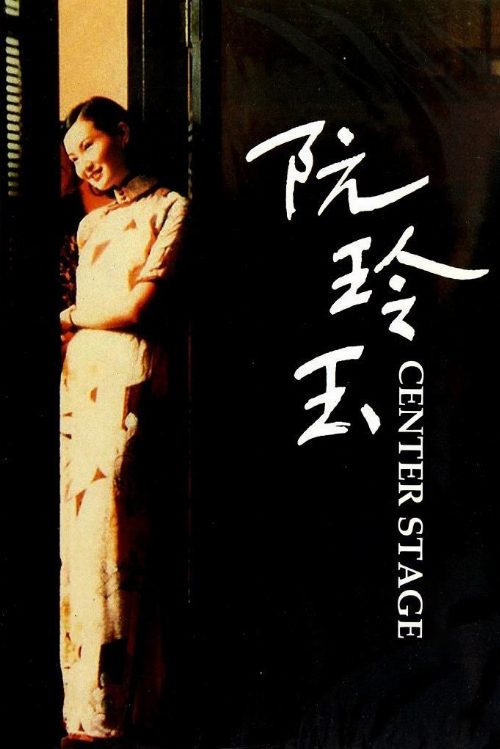
Based on the tragic true story of China's first prima donna of the silver screen, Ruan Lingyu, chronicling her rise to fame as a movie actress in Shanghai during the 1930s.
Stepping behind the velvet curtain of early twentieth century Shanghai, Center Stage offers a hauntingly beautiful meditation on the volatile intersection of celebrity and public scrutiny. This 1991 masterpiece serves as more than a standard period piece, functioning instead as a structural hybrid that blurs the lines between historical reconstruction and documentary reflection. By centering its narrative on the meteoric yet doomed trajectory of Ruan Lingyu, the film captures the fragility of an icon navigating the transition from silent cinema to the talkies. It is a work that demands patience and introspection, inviting viewers to witness the crushing weight of societal expectation placed upon a woman who defined the burgeoning aesthetics of a nation.
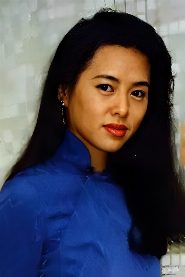
The film distinguishes itself by eschewing the traditional linear biopic format, opting instead to incorporate behind the scenes footage of the production itself. This bold directorial choice allows the audience to observe the lead actress, Tang Wei Qian, as she struggles to inhabit the psyche of a woman whose life was perpetually scrutinized by the press. For those accustomed to the high energy pacing of contemporary pan Indian dramas or the colorful escapism of modern Bollywood, this film provides a stark, melancholic contrast. Its black and white cinematography evokes a sense of timelessness, grounding the story in a specific cultural moment while highlighting the universal pain of being defined by one's public image.
Cinema enthusiasts who appreciate the rich, contemplative storytelling found in classic world cinema will find this portrayal of 1930s Shanghai particularly compelling. It resonates with the same emotional gravity found in the finest works of the regional Indian industries, where the sacrifice of the individual for the sake of art is a recurring, poignant theme. The film is an essential watch for anyone interested in the technical evolution of the medium, as it constantly interrogates the relationship between the camera and the subject. By examining the life of a performer who was constantly performing even when the director called cut, the film remains a powerful testament to the resilience and vulnerability of those who exist in the spotlight. It is a sophisticated, layered experience that rewards viewers who value character studies that prioritize psychological depth over spectacle.
Cast(14)