Taxi for Tobruk(1961)
About Taxi for Tobruk
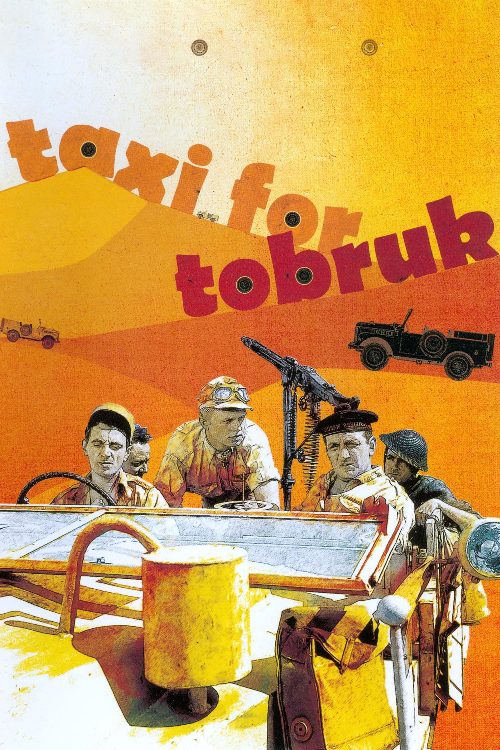
During World War II, French Commandos join forces with a German officer in order to survive the African desert.
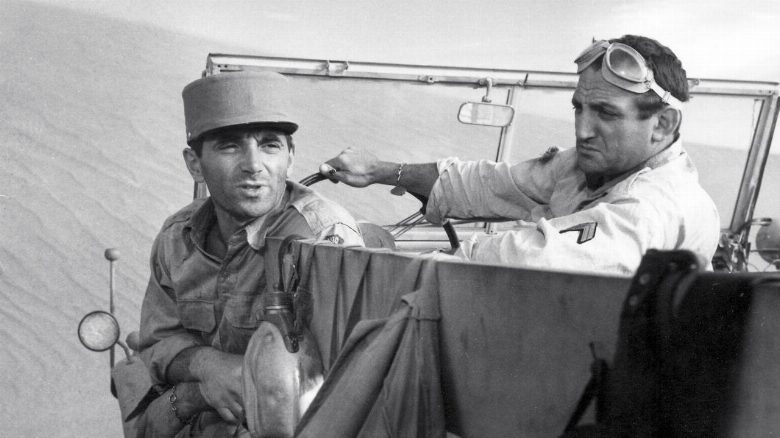
Few war films manage to strip away the grandiosity of combat to focus entirely on the fragile nature of human connection quite like the 1961 classic Taxi for Tobruk. While contemporary audiences familiar with the high-octane action of modern Indian cinema might expect relentless explosions, this French production thrives on the psychological friction between five men stranded in the unforgiving expanse of North Africa. The narrative centers on a small group of French soldiers who capture a German officer, only to find their fates inextricably linked as they navigate a landscape that threatens to claim them all. It is a masterclass in tension, functioning more as a road movie than a traditional battlefield drama, where the shifting power dynamics between captors and the captive reveal the absurdity of ideological divides when confronted with the primal need for water and shelter.
For fans of world cinema, especially those who appreciate the nuanced character studies often found in the best Malayalam or Tamil dramas, this film offers a fascinating look at mid-century European storytelling. It avoids the common tropes of heroic martyrdom, choosing instead to emphasize the exhaustion and moral ambiguity of soldiers who are simply trying to endure. The presence of Charles Aznavour adds a layer of emotional weight to the production, as he delivers a performance that feels strikingly grounded compared to the theatricality of many war epics from the same era. The cinematography captures the relentless heat and isolation of the Sahara, turning the desert into a character that effectively forces these men to shed their nationalistic armor.
Those who seek out films that prioritize dialogue and internal conflict over spectacle will find this journey deeply rewarding. It serves as a precursor to the modern survival genre, highlighting how disparate individuals must rely on one another to overcome environmental collapse. The direction maintains a steady, deliberate pace that allows the audience to sit with the mounting desperation of the group. It is an essential watch for anyone interested in how international filmmakers have historically challenged the binary of good versus evil in wartime narratives. By focusing on the quiet, often uncomfortable moments shared between adversaries, the film creates a lasting impact that transcends its historical setting, reminding viewers that the most intense battles are often those fought against the elements and one's own prejudices.