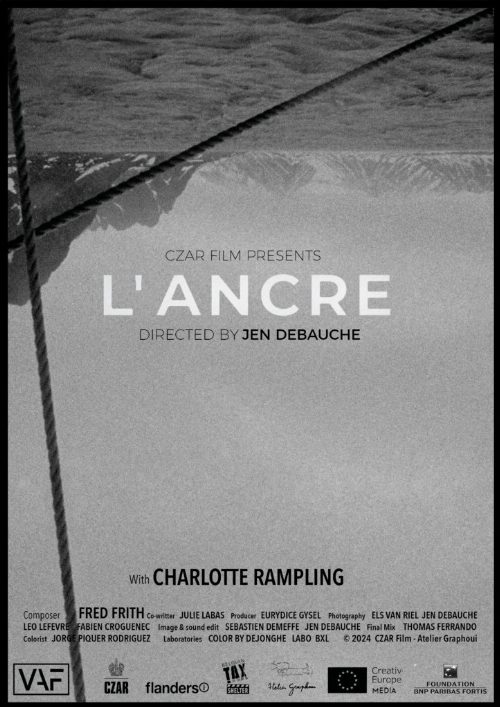
The Anchor(2024)
About The Anchor
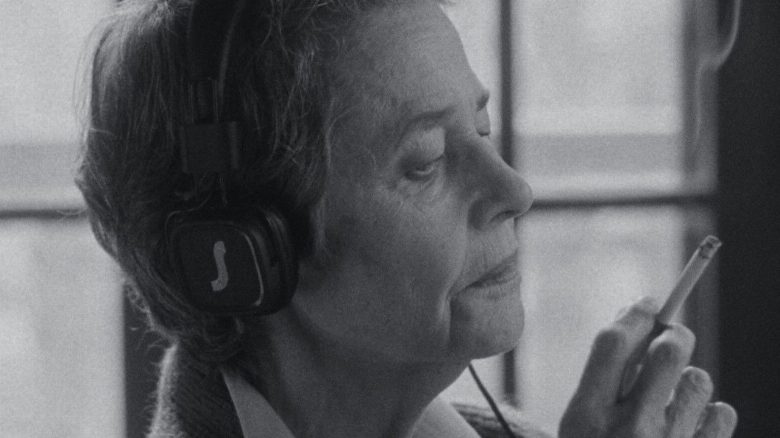
A psychotherapist (Charlotte Rampling) listens to archive testimonies from her former patients. Their words mingle with images of a journey across the Arctic aboard a sailboat. Among these stories, the therapist recounts her own path through psychosis.
The vast, icy stillness of the Arctic serves as more than just a backdrop in The Anchor, a documentary that challenges the traditional boundaries between clinical observation and personal vulnerability. By interweaving the weathered voices of past patients with the stark, haunting beauty of a maritime expedition, the film creates a meditative space where the human psyche is laid bare against the backdrop of an indifferent, frozen landscape. Charlotte Rampling anchors this experience, moving beyond a mere narrator role to become a bridge between the clinical and the deeply personal. Her presence elevates the film, grounding the abstract concepts of mental health within the gravitas of her screen legacy, as she reflects on her own navigation through the fractured reality of psychosis.
While global audiences often look to Indian cinema for its vibrant musicality or high-octane action, The Anchor represents the growing appetite for experimental, atmospheric storytelling that transcends regional borders. Much like the introspective character studies emerging from the Malayalam and independent Hindi film industries, this documentary prioritizes emotional resonance over conventional narrative arcs. It is a work of profound restraint, demanding a viewer who values patience and deep reflection. The film feels less like a documentary and more like a sensory experiment, inviting the audience to inhabit the silence of the Arctic while confronting the turbulent echoes of the human mind. It is a rare piece of filmmaking that treats trauma as a geography to be mapped rather than a problem to be solved.
Viewers who appreciate non-linear, avant-garde cinema will find this journey particularly compelling. It is designed for those who enjoy the intersection of philosophy and visual poetry, where the editing process acts as a form of therapy in itself. By juxtaposing the tactile reality of a sailboat slicing through ice with the ethereal, sometimes painful recollections of the past, the director crafts a tapestry of memory that feels both universal and intimate. For those who follow the career of Charlotte Rampling, this film offers a rare, stripped-back look at her ability to command attention through stillness alone. Ultimately, The Anchor positions itself as a courageous exploration of what it means to drift through the stormy seas of the mind and find a way to stay moored to the world, making it a must-watch for anyone who views cinema as a tool for profound psychological inquiry.