About The Blood Rose
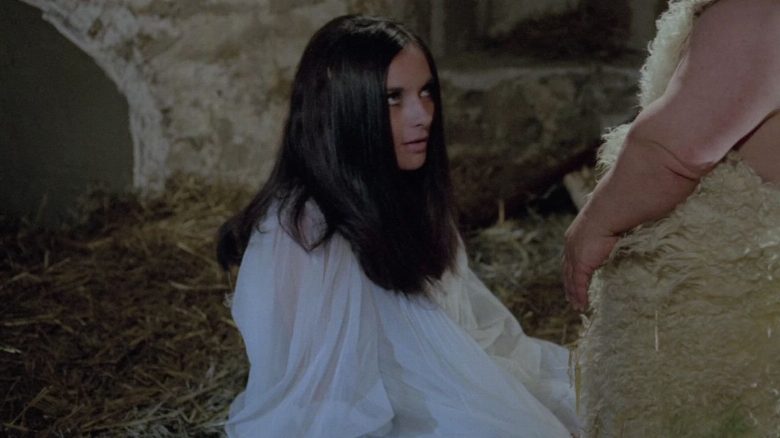
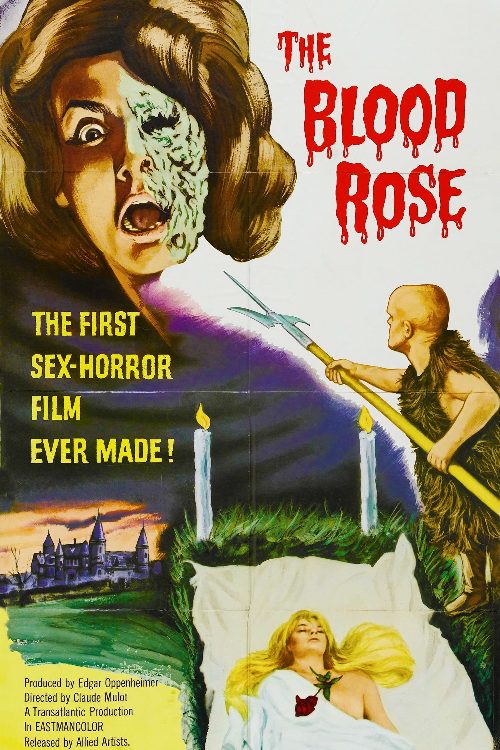
Frédéric Lansac, an artist and botanist, has a wild affair with party girl Moira, but throws her over when he meets the lovely Anne. Frédéric and Anne marry, but tragedy strikes when Moira shows up at the wedding party and makes a scene, causing Anne to fall into a bonfire. Frédéric and Anne lock themselves up in his mansion with his servants, a pair of mute dwarves. Anne, needless to say, becomes bitter and demanding. Frédéric tells everyone Anne has died, then on the sly, hires a nurse to look after her.
French horror cinema from the late sixties and early seventies occupies a uniquely unsettling space in global film history, often blending high art aesthetics with a perverse fascination for physical trauma. The Blood Rose serves as a quintessential example of this atmospheric, gothic tradition where the boundaries between scientific obsession and romantic cruelty blur into something deeply disturbing. Directed with a focus on visual artifice and psychological decay, the film explores the life of Frederic Lansac, a man whose dual passions for painting and botany lead him into a labyrinth of moral compromise. When a tragic accident leaves his new wife physically shattered, the narrative shifts from a standard melodrama into a dark, claustrophobic study of vanity and surgical madness.
What distinguishes this production from other European fright films of the era is its deliberate, slow-burn approach to horror. Rather than relying on supernatural entities or jump scares, the movie anchors its dread in the isolation of a remote estate and the silence of its inhabitants. The inclusion of mute servants adds a layer of surrealist tension that elevates the story beyond a simple tale of obsession. Fans of classic psychological thrillers who appreciate the deliberate pacing of continental European cinema will find much to admire here. It operates as a bridge between the grand guignol tradition and a more modern, clinical exploration of body horror, mirroring the anxieties of a generation preoccupied with the fragility of human beauty.
For modern viewers interested in the roots of genre filmmaking, the performances of Philippe Lemaire and Anny Duperey are particularly compelling, as they navigate a relationship defined by guilt and forced dependency. The film captures a specific cultural mood where the art world and the macabre often intersected, reflecting a time when French directors were eager to push boundaries regarding what could be depicted on screen. While it remains a niche entry in the horror canon, its influence can be felt in the way it handles themes of transformation and possession. It remains a must-watch for those who prioritize mood-driven storytelling and appreciate films that favor a lingering, uncomfortable sense of unease over conventional narrative resolutions. The production stands as a testament to the bold, experimental spirit that characterized French genre cinema during its most provocative decade, ensuring it retains a distinct, albeit dark, legacy among international horror enthusiasts.
Cast(14)