
About LETHAL
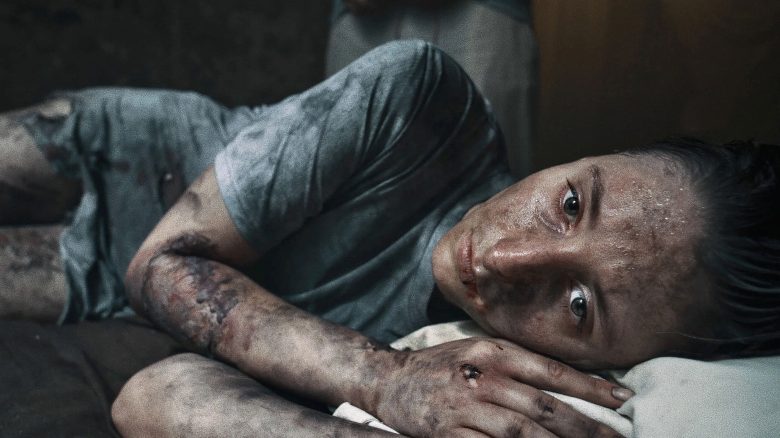
A woman kidnapped by a man frees herself. The story of a calculated liberation. A final burst of hope. The last ditch effort to get out of hell. The story of the end of a man's hold on a woman's life. Enter this symbolic and immersive tableau.
Modern European horror often thrives on the claustrophobia of the human psyche, and Lethal positions itself as a gripping entry in this visceral tradition. Director Manon Herter crafts a narrative that moves beyond simple survival tropes, focusing instead on the meticulous architecture of an escape. By centering the story on a woman navigating the psychological and physical confines of her captivity, the film invites viewers into a tense, singular experience that prioritizes atmospheric dread over conventional jump scares. The performance of Ambre-Oxana Beguet is central to this tension, as she portrays the transition from victimhood to agency with a chilling, quiet intensity that grounds the more harrowing elements of the plot.
While the film originates from the French cinematic landscape, its exploration of power dynamics and liberation echoes themes frequently seen in the high-stakes thrillers gaining traction in the global market. Audiences familiar with the intense character studies found in recent Malayalam or Tamil suspense dramas will likely appreciate the way Herter balances internal struggle with external stakes. The narrative avoids excessive ornamentation, choosing instead to lean into a raw, stripped-back aesthetic that mirrors the protagonist's desperate environment. Frédéric Ambrosini provides a menacing counterbalance, serving as the anchor for the film's explorations of control and the eventual shattering of a predatory grip.
This project is tailored for viewers who enjoy slow-burn tension and movies that demand complete emotional investment. It is not merely a story of fleeing a predator, but a symbolic meditation on reclaiming autonomy from a life defined by another person. By stripping away the superfluous, Lethal creates a vacuum of safety that forces the audience to inhabit the space alongside its lead. For those who track the evolution of horror into more prestige-oriented, character-driven territory, this film serves as a potent reminder of how effective a contained setting can be when directed with such surgical precision. It looks set to be a standout for those who prefer their suspense served with a side of profound thematic weight, proving once again that the most terrifying stories are often those rooted in the fragility of human freedom.