About MUS
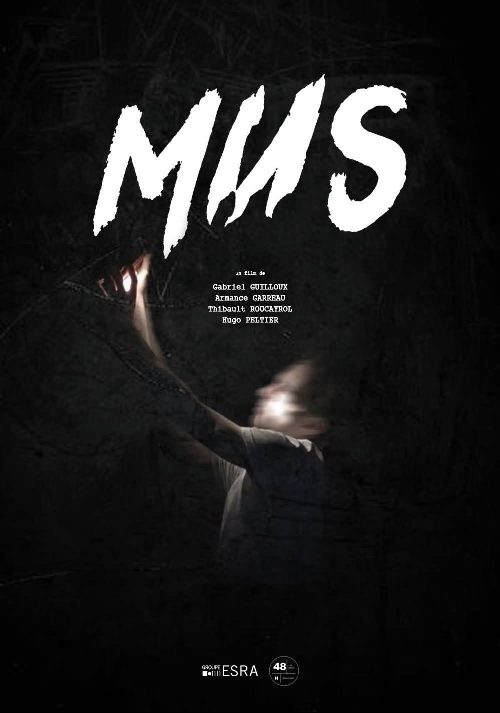
The unsettling atmosphere of the 2020 French horror feature Mus serves as a stark reminder that true cinematic terror often thrives in the quietest, most claustrophobic spaces. Directed by Armance Garreau, this film eschews the loud jump scares typical of mainstream genre fare in favor of a slow-burning psychological tension that gradually envelops the viewer. By focusing on a singular, contained environment, the production creates a sense of isolation that feels almost tactile, forcing the audience to confront the fragility of the human psyche when stripped of its familiar comforts. It represents a refreshing shift away from supernatural tropes, rooting its dread instead in the unpredictable nature of internal human anxieties and the potential for domestic spaces to become sites of genuine entrapment.
For fans of global cinema who appreciate the stylistic precision of European horror, this film acts as a fascinating counterpart to the high-concept storytelling currently dominating the Indian regional landscapes. While industries like the Telugu or Malayalam film sectors have recently mastered the art of blending folk horror with social commentary, Garreau takes a strictly minimalist approach that prizes mood over elaborate world-building. It is an ideal watch for viewers who enjoy films that require active participation, rewarding those who pay attention to subtle shifts in lighting, sound design, and the evolving body language of the central characters. The film does not rely on extensive dialogue to convey its message, opting instead for a visual language that communicates deep-seated paranoia with chilling efficiency.
Garreau demonstrates a confident hand here, crafting a narrative that feels both intimate and expansive in its thematic reach. By keeping the cast small and the scope focused, the director ensures that every frame feels purposeful, avoiding the bloat that often plagues modern horror projects. This project stands as a testament to the power of independent storytelling, proving that a compelling premise, executed with artistic conviction, can leave a lasting impression without the need for massive budgets or grand spectacle. Whether you are a regular devotee of international suspense or simply looking for an entry point into French genre cinema, this piece offers a sophisticated experience that lingers long after the screen goes dark. It sits comfortably alongside other contemporary European works that prioritize atmosphere and character development, marking a notable entry in the director's burgeoning filmography and highlighting the creative potential of restrained, character-driven horror.